
Negotiate: Get the Best Deal on a Pre-Owned Car Price

Dom’s Auto LLC – Negotiate the Best Price on a Pre-Owned Luxury Vehicle: Expert Tips to Get the Best Deal on a Used Car
The market for pre-owned premium models is shifting rapidly as buyers look for value, certified pre-owned programs, and smarter negotiation tactics. Whether you’re buying a used luxury car to enjoy top-tier features at a lower price or to secure a long-term investment, understanding current luxury car buying trends and proven negotiation strategies will help you achieve the best price on a used car. This guide covers everything from market timing and inspection checklists to negotiation scripts and used car finance tips so you can confidently buy a pre-owned car or used luxury vehicle.
What are the latest luxury car buying trends affecting pre-owned pricing?
Luxury car buying trends show increased demand for certified pre-owned (CPO) models, greater buyer emphasis on technology and service records, and a rise in online used car marketplaces. These trends impact the price of a used car because buyers now pay premiums for well-documented service history, upgraded infotainment, and robust CPO warranties. Understanding these dynamics helps you know where dealers set prices and where negotiation room exists.
Pre-owned luxury vehicles often retain value longer than mainstream cars, but market cycles, lease returns, and inventory levels influence used car price fluctuations. Monitor seasonal trends, auction results, and local dealer inventories to find times when dealerships are more willing to negotiate used car prices or offer incentives on older model years.
How can I research and benchmark fair pre-owned car prices before negotiating?
Begin by checking multiple pricing sources to benchmark a fair price for the pre-owned car you want. Use tools like Kelley Blue Book, Edmunds, and reputable online marketplaces to compare list prices, private sale averages, and dealer markups. Look specifically for comparisons of similar trim levels, mileage bands, and options—these details matter for used luxury car pricing.
Create a price range: target price, realistic market price, and walk-away price. This range is your negotiation framework. Document comps and use them during negotiation to show the dealer you’ve researched used car dealers’ listings and know the fair value for that particular used luxury vehicle.
What inspection and history checks can strengthen my negotiation position?
A thorough pre-purchase inspection and vehicle history report are your strongest tools when negotiating the price of a used luxury car. Obtain a CARFAX or AutoCheck report to verify accident history, title status, and service records. Highlight any discrepancies or lack of service documentation during negotiation to ask for a lower price or additional concessions.
Hire a trusted independent mechanic experienced with luxury brands for a multipoint inspection. Common negotiation leverage points include evidence of deferred maintenance, costly upcoming service (e.g., timing chain, air suspension), or signs of prior repair work—each can justify a lower used car price or dealer-paid repairs before purchase.
How should I approach price negotiation with a dealership or private seller?
Start negotiations by anchoring below your target price and using data-backed justifications: comparable listings, inspection findings, and market trends. Be polite but firm—state your offer and the reasons you expect that price. Leverage multiple offers or pre-approved financing to show you’re a serious buyer prepared to walk away if the deal doesn’t meet your price objectives.
With dealerships, ask about total out-the-door pricing, including fees, registration, and any dealer-installed options. Don’t let negotiation focus solely on monthly payments; always bring the conversation back to the purchase price of the used car. For private sellers, emphasize cash or fast closing as potential negotiation tools in exchange for a lower price.
What negotiation techniques work best for pre-owned premium models?
Use these effective negotiation techniques when buying a used luxury car: (1) Present multiple written comps to justify your offer; (2) Point out specific inspection findings and estimated repair costs; (3) Time your purchase at month-end or quarter-end when dealerships often meet sales targets. These tactics can increase your chances of securing the best price on a pre-owned luxury vehicle.
Be prepared to counter common sales tactics like “we sold it yesterday at this price” by asking for documentation or walking away and returning later. Establishing rapport, staying calm, and showing you’re informed about used car price trends will make salespeople more likely to negotiate on your terms
.
How do certified pre-owned (CPO) programs affect negotiation and value?
CPO programs add value through manufacturer-backed warranties, inspection processes, and sometimes roadside assistance—attributes buyers often pay more for. However, the premium for CPO status can be negotiable. Use the CPO inspection checklist and warranty length as bargaining chips to reduce the sticker price or receive additional benefits like extended service or free maintenance.
Know what the CPO warranty covers and compare it to aftermarket warranties or dealer warranties. If the dealer is unwilling to lower the price, ask for concessions such as reduced financing rates, complimentary service packages, or a longer warranty term to get the best overall deal on a pre-owned premium model.
Should I finance through the dealership or secure used car finance elsewhere?
Compare dealership financing with external options—your credit union, bank, or online lenders—to find the lowest used car finance rates on pre-owned luxury models. Dealers can sometimes offer competitive rates, especially on CPO vehicles, but they also may add fees or inflate rates via add-ons. Pre-approval from your lender gives you bargaining power and clarity on monthly payment limits.
When discussing finance with the dealer, separate the negotiation into two parts: the vehicle price and then the financing terms. This prevents the dealer from offsetting a lower sale price by increasing your interest rate. Always read financing documents carefully and ask for a breakdown of fees and any add-ons that affect your used car finance terms.
How can timing and supply trends help me get the best price on a used luxury vehicle?
Timing matters. Late-model luxury inventory often spikes when lease returns peak, which typically occurs in the first quarter and late summer. More supply increases competition among used car dealers and often leads to better negotiation opportunities. Conversely, limited inventory or high demand can reduce negotiation leverage, so monitor local listings and be ready to move quickly when a desirable pre-owned car appears at a fair price.
Seasonal trends also affect certain luxury models—convertibles sell better in warm months while AWD SUVs maintain value in winter. Consider buying off-season for the type of vehicle you want to increase your chances of negotiating a lower used car price.
What red flags should I watch for when buying a used luxury car?
Red flags include inconsistent service records, salvage or rebuilt titles, mismatched paint panels, and unusually low prices compared to market comps. These signs can indicate hidden damage or significant future repair costs. Use these observations in negotiation to request price reductions or walk away from suspicious deals.
Another red flag is evasive sellers who resist inspections or limit test drives. Always insist on an independent inspection and a thorough test drive that checks for noise, drivetrain issues, and electronics—common problem areas in used luxury vehicles. Being cautious helps protect your investment and strengthens your position when negotiating used car prices.
How can I finalize the deal and protect myself after negotiation?
Once you agree on a price, get all terms in writing: final sale price, included repairs, warranty details, and any financing agreements. Verify the vehicle title, lien releases, and registration paperwork. If buying from a dealer, review the sale contract line by line for hidden fees or unauthorized add-ons and insist on corrections before signing.
Consider additional protections like short-term extended warranties or pre-paid maintenance plans for peace of mind. Keep copies of inspection reports, service records, and the final contract to support future resale value and to document the condition of your used luxury vehicle at purchase.
What are the best negotiation scripts or phrases to use with used car dealers?
Use clear, data-backed phrases such as: “I’ve found comparable models at X price with similar mileage and options,” or “The inspection estimated $X in repairs—would you adjust the price accordingly?” These scripts keep the conversation focused on facts rather than emotions and demonstrate you’re an informed buyer seeking a fair used car price.
Other effective lines include: “I’m pre-approved at X%—if you can match or beat this rate and adjust the price to Y, I’ll buy today,” and “Can you show me the extended warranty terms and confirm what you’ll include for that price?” These approaches combine negotiation on both price and financing to secure the best deal on a pre-owned premium model.
How can I ensure resale value and long-term satisfaction after buying a used luxury model?
To protect resale value, maintain comprehensive service records, and adhere to the manufacturer’s recommended maintenance schedule. Regular documented service increases future buyer confidence and can significantly impact the price when you resell. Choosing models with reliable reputations and lower ownership costs also helps preserve value.
Invest in preventative maintenance for common luxury-specific issues (air suspension, high-pressure fuel systems, advanced electronics) and consider extended warranties for long-term coverage. These actions not only ensure satisfaction but also provide negotiating leverage next time you trade or sell the used luxury vehicle.
Conclusion
By researching market trends, benchmarking prices, leveraging inspection findings, and negotiating both price and financing smartly, you can secure a pre-owned luxury vehicle at an attractive price and with peace of mind.
For local buyers, consider reaching out to reputable used car dealerships like Dom’s Auto LLC. Dom’s Auto LLC, a Used Car Dealership in Mount Vernon, OH, works among used car dealers to list high-quality Used cars for sale and offers guidance on used car finance options. Whether you’re shopping online or negotiating at a dealership, use these strategies to negotiate the best price and drive away confident in your pre-owned luxury purchase.
Demand for certified pre-owned premium models remains strong, depreciation cycles are stabilizing, and certified programs often command higher prices but offer better warranty value.
Check market listings, compare prices across regions, review certified pre-owned programs, obtain vehicle history reports, and use price guides to set a realistic target.
Lead with objective data (market comps, inspection results), be ready to walk away, negotiate add-ons separately, and focus on out-the-door price including fees.
Dealers offer warranties and certification (higher price); private sellers can be cheaper but riskier—balance price savings against warranty and inspection costs.
Questions to Ask When Buying Used Cars: Your Used Car Checklist
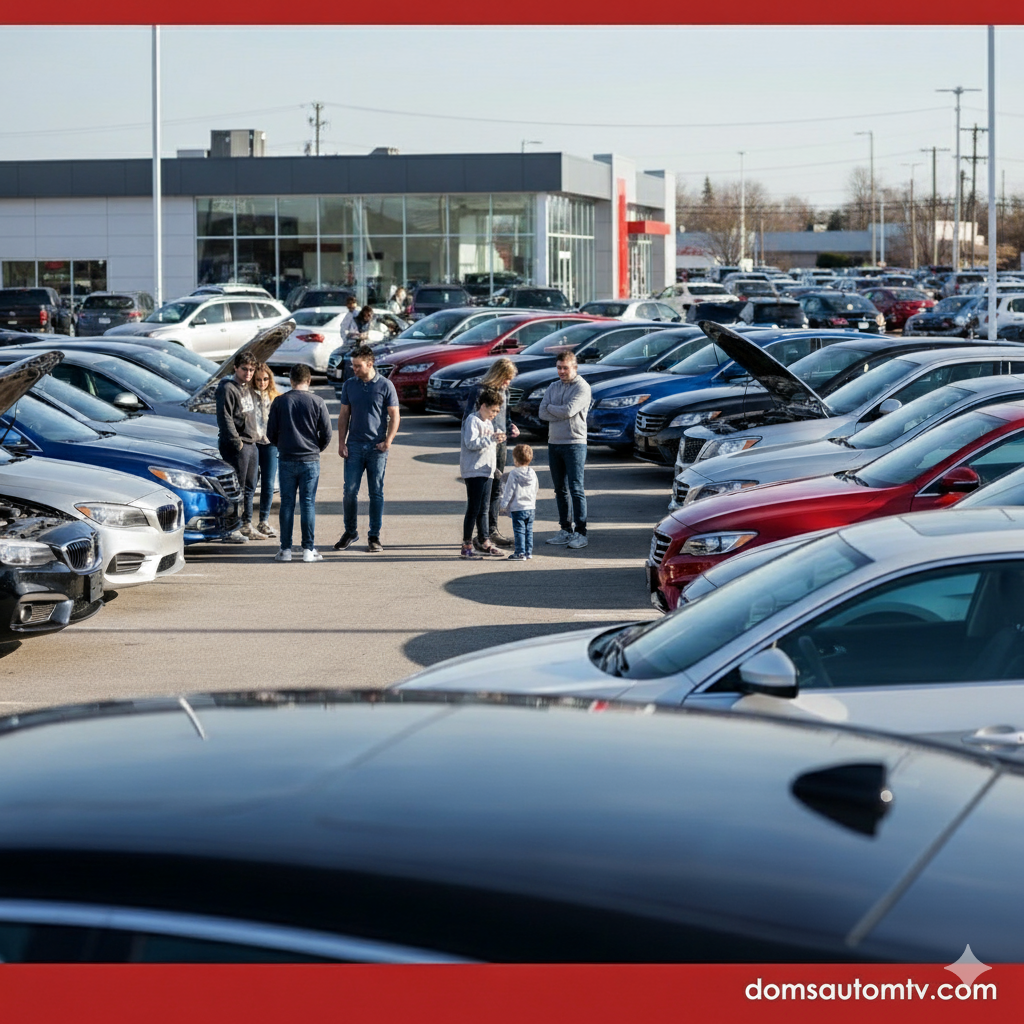
Questions to Ask Your Used Car Dealer Before Buying
When it comes to buying a used car, making an informed decision is crucial. Whether you’re a first-time buyer or a seasoned car owner, knowing the right questions to ask your used car dealer can save you time, money, and peace of mind. This blog post will guide you through important questions to ask when buying, ensuring you feel confident and knowledgeable as you navigate the used car market.
What is the Vehicle History Report?
One of the most important questions to ask when buying a used car is about the vehicle history report. This report provides crucial information about the car’s past, including previous owners, accident history, and any reported damage. Always ask the dealer to provide a CARFAX or AutoCheck report to verify the vehicle’s condition.
Understanding the vehicle history can help you gauge whether the car you’re interested in has been well-maintained or if it has hidden issues. Look for red flags such as a car that has been deemed a total loss or has had multiple previous owners. A clear history can give you peace of mind when making your purchase.
What is the Mileage on the Car?
Mileage is a significant factor in determining the car’s value and potential longevity. When buying a used vehicle, always inquire about the mileage on the odometer. A car with lower mileage may indicate less wear and tear, but it’s important to consider the overall condition and service history as well.
Ask the dealer about any routine maintenance performed, such as oil changes and brake repairs. This information can help you assess whether the car has been properly cared for and if it’s worth the price being asked. Remember, a well-maintained car can often be a better investment than one with low mileage but poor service records.
Can You Provide Service Records?
Another essential question to ask your used car dealer is whether they can provide service records. These documents can reveal how well the car has been maintained over its lifetime. Regular service records can indicate that the vehicle has had timely oil changes and necessary repairs, making it a reliable choice.
If the dealer cannot provide service records, consider this a warning sign. A lack of documentation may suggest that the car was neglected, which could lead to costly repairs down the road. Always ask for these important records before making a decision.
Is There a Warranty on the Car?
When buying a used car, it’s important to ask about the warranty. Many dealerships offer a limited warranty on used vehicles, which can provide peace of mind and protection against unexpected repairs. Additionally, inquire whether the car comes with a factory warranty or if an extended warranty is available for purchase.
Understanding the warranty terms can help you evaluate the overall cost of ownership. If the car comes with a warranty, find out what it covers and for how long. This can significantly impact your decision-making process and budget as you consider buying a used car.
What is the Price of the Car?
Before finalizing your purchase, it’s essential to discuss the price of the car. Don’t hesitate to ask the dealer about the asking price and whether there is room for negotiation. Research similar vehicles in the market to ensure you’re getting a good deal.
Consider the features and condition of the car when negotiating the price. Factors such as mileage, accident history, and overall service records can influence the final price. Being informed about the market value of the vehicle can give you leverage in negotiations.
Can I Take It for a Test Drive?
Always ask the dealer if you can take the car for a test drive. This is a crucial step in the buying process as it allows you to experience the vehicle firsthand. During the test drive, pay attention to how the car handles, any unusual noises, and the comfort of the ride.
Make sure to test various driving conditions, including highway speeds and stop-and-go traffic. This will help you determine whether the car meets your expectations and is a suitable choice for your needs.
What is the VIN, and Can I Verify It?
Before purchasing, always ask for the Vehicle Identification Number (VIN). This unique code can be used to verify the car’s history through various online databases. Checking the VIN can help you uncover any hidden issues, such as past accidents or recalls.
Make sure to cross-check the VIN with the vehicle history report and the information provided by the dealer. This verification process is a vital step in ensuring that you are buying a legitimate vehicle without any undisclosed problems.
What is the Car’s Service History?
In addition to general service records, ask the dealer for a detailed service history of the car. Knowing what repairs have been done and when can provide insight into the vehicle’s reliability. Look for evidence of routine maintenance, such as brake replacements and tire changes.
If the car has undergone significant repairs, inquire about the quality of parts used and the mechanic who performed the work. This information can help you gauge the car’s reliability and potential future maintenance needs.
Is This Vehicle a Certified Pre-Owned Car?
When shopping for used cars, it’s wise to ask whether the vehicle is a certified pre-owned (CPO) car. CPO vehicles undergo rigorous inspections and come with warranties, providing an extra layer of assurance for buyers.
Buying a certified pre-owned car can be a smart move, as it often means that the vehicle has been thoroughly checked for quality and reliability. Additionally, CPO cars typically come with benefits such as roadside assistance and extended warranties, which can enhance your overall ownership experience.
What Are the Financing Options Available?
Finally, don’t forget to ask about financing options when buying a used car. Inquire about interest rates, loan terms, and whether the dealership offers any special financing deals. Understanding your financing options can help you make an informed decision and avoid unexpected costs.
Ask the dealer about any promotions or partnerships with banks and credit unions that may result in better rates. Knowing your financial situation and what you can afford is crucial in ensuring that you make a sound investment.
- Always ask for the vehicle history report to avoid surprises.
- Check the mileage and service records for a better understanding of the car’s condition.
- Inquire about warranties to protect your purchase.
- Negotiate the price taking into account your research and the vehicle’s condition.
- Take a test drive to ensure the car meets your needs.
- Verify the VIN to confirm the vehicle’s legitimacy.
- Consider certified pre-owned options for added peace of mind.
- Explore financing options to find the best deal for your budget.
Common Mistakes People Make About Questions to Ask Your Used Car Dealer Before Buying
- Not asking for a vehicle history report, which includes essential information like previous owners, service history, and any accidents reported.
- Overlooking the importance of asking about the car’s warranty, including whether it comes with a factory warranty or if an extended warranty is available.
- Failing to inquire about the car’s mileage and maintenance records, which can provide insight into potential repair needs and overall wear and tear.
- Neglecting to request a test drive, which is crucial for assessing the vehicle’s performance and comfort.
- Not asking about the interest rate and loan options if financing the purchase through the dealership.
- Assuming the price of the car is non-negotiable; it’s always good to ask about room for negotiation.
- Forgetting to check for recalls on the vehicle through resources like the National Highway Traffic Safety Administration.
- Not asking the dealer about the VIN (vehicle identification number) to verify the car’s history via services like Carfax or AutoCheck.
- Ignoring the need to ask about the tires and brakes, which can be costly if they need to be replaced soon after purchase.
- Not considering whether to buy from a private seller versus a dealership, as this can impact warranty and service options.
Dom’s Auto LLC – Top Used Car Dealer in Mount Vernon, OH
Dom’s Auto LLC is a premier used car dealership in Mount Vernon, OH, known for its extensive inventory of high-quality used cars for sale. Our dealership specializes in providing customers with the best auto financing options, ensuring that buying a used car is both easy and affordable. Whether you’re looking for a reliable vehicle with a clean service history or a certified pre-owned car, we have the right options for you.
When shopping for a used vehicle, it’s important to ask the right questions to make an informed decision. At Dom’s Auto LLC, we encourage our customers to inquire about essential details such as the vehicle history report, service records, and previous owners. Additionally, always ask about the mileage, warranty options, and any extended warranties available. Our knowledgeable team is here to assist you with important questions to ask when buying a used car, helping you negotiate a lower price and ensuring peace of mind with your purchase.
Contact us today and visit our store to explore our large inventory of used cars. Whether you’re buying from a private seller or a dealer, we are committed to providing you with the best deals and offers. Let us help you find the car you’re looking for with confidence!