

Maximize Your Trade-In Value: Car Trade-In Tips for Getting the Best Trade-In Value
Trading in a vehicle while facing credit challenges can feel daunting, but with the right strategy, you can maximize your trade-in value and secure favorable used car financing. This guide covers car trade-in tips, appraisal strategies, and easy steps to get the best trade-in value from dealerships and car dealers—helpful for buyers researching pre-owned vehicles who want to upgrade without overpaying.
How can I maximize trade-in value with simple repairs?
Minor repairs often fetch higher trade-in values because dealerships and appraisers favor vehicles in the best possible condition. Small fixes—like replacing windshield chips, doing a timely oil change, fixing a cracked taillight, or addressing obvious wear and tear—can boost perceived value and lead to a higher trade-in offer. Investing in affordable repairs can translate to a higher trade-in credit toward your new vehicle purchase or lower monthly payment on a used car loan.
Before taking your car to a dealership, create a checklist of inexpensive but impactful repairs. Focus on items that affect safety or visual appeal: windshield chips, fluid top-ups, tire pressure, and interior cleaning. These easy steps to prepare your vehicle can increase your vehicle’s trade-in value and help you get the best trade-in value when negotiating with a dealer.
What role does mileage play in determining the trade-in value?
Mileage is one of the primary factors dealerships and appraisers consider when they determine the value of your trade-in. Higher mileage typically reduces the market value using KBB or Kelley Blue Book and often lowers the trade-in offer. Conversely, lower-than-average mileage for the vehicle’s age can lead to a higher trade value and better resale value at dealer lots.
When preparing to trade in your current vehicle, gather service records showing consistent maintenance; this can offset mileage concerns and demonstrate that the car has been cared for. Highlighting documented oil changes, repair history, and recent service can help you get the most value and a higher trade-in offer from multiple dealerships or a single car dealership during negotiation.
How should I approach appraisals to get the best trade-in value?
Getting multiple trade-in quotes from several dealerships and using appraisal tools like Kelley Blue Book or KBB helps determine the value of your trade-in. An online appraisal gives you a baseline market value and strengthens your negotiation position. Share comparable listings and KBB estimates with dealers to support your ask for a higher trade-in offer.
When scheduling in-person appraisals, present your car clean and well-documented to the appraiser. A clean appearance and a folder with maintenance records, receipts for minor repairs, and proof of a recent oil change or tire rotation can improve the vehicle’s trade-in value. Use these expert tips to secure the best possible condition evaluation and a trade-in credit that reflects true market demand.
Can I increase perceived value before trading in my old vehicle?
Perceived value influences what dealerships are willing to offer. Simple detailing, fixing small dents, and addressing interior wear and tear make a big impression. A professional cleaning or a DIY deep clean that removes stains and odors often increases the perceived value and supports a higher trade-in value.
List recent maintenance and repair work to demonstrate reliability and lower risk for the dealer. Items like new tires, a recent oil change, a repaired windshield crack, or replaced brakes may cost less than the value they add. These car trade-in tips help trading in your current vehicle with more confidence and often lead to a better trade-in value on the new or used car you want.
Should I get trade-in quotes from multiple dealerships?
Yes—obtaining trade-in quotes from multiple dealerships is one of the most effective strategies to maximize your trade-in value. Dealers compete for the best deal, and having quotes from several local dealers or car dealerships increases your leverage. Use these quotes to negotiate a higher trade value or to combine offers, and always ask if the dealer can beat a competing trade-in offer.
Compare not just the numeric trade-in offer but also how the trade-in credit is applied—some dealers offer higher trade-in credit when you purchase a new car from them. Consider market demand for your vehicle when examining quotes; a dealer specializing in certain makes may pay a premium. Gathering multiple offers helps you get the most value and the best deal when purchasing a new vehicle or pre-owned vehicle.
Is selling privately better than a dealership trade-in for maximizing value?
Private sales can sometimes pay more than a dealership trade-in because private buyers often pay closer to the private-party market value. If your goal is the absolute highest possible trade-in value, selling privately might yield more money for your car. However, private sales take time, require marketing, and involve handling negotiation and paperwork yourself.
For many buyers—especially those with bad credit seeking used car financing—the convenience of trading in at a dealership often outweighs the extra money from a private sale. A dealership trade-in provides immediate trade-in credit toward a new car purchase, reduces administrative hassle, and can lower your monthly payment on a used car loan. Weigh the best price against convenience when deciding whether to trade in your car or sell privately.
How does market demand affect the trade-in offer I receive?
Market demand plays a key role in trade-in quotes. Popular models or in-demand used car segments often fetch higher trade-in values, while low-demand models can result in lower offers. Dealers price vehicles based on expected resale value and local market trends, so knowing current demand for your make and model can help you set realistic expectations.
Research local listings and new and used car prices in your area to gauge market demand. If your vehicle aligns with consumer preferences—fuel efficiency, low mileage, or popular features—it will often attract higher offers. Use this market knowledge during negotiation to push for the highest possible trade-in value and secure the best trade-in credit from the dealer.
What negotiation tactics can help me get a higher trade-in offer?
Approach negotiation with facts: bring KBB values, recent trade-in quotes, and service records. Start with the highest reasonable number and be prepared to walk away. Dealers may mix trade-in offers with new car pricing, so separate the two to understand the trade value clearly. Ask for a breakdown of the trade-in credit and whether the dealer expects to recondition the vehicle.
Leverage competition by telling the dealer you have other trade-in offers and request they match or beat the best trade-in offer. Highlight minor repairs and documentation as reasons for a higher appraisal. These tactics increase your chance to get the best trade-in value and the best deal on your next car purchase.
How can I time my trade-in to maximize value?
Timing the trade-in can improve the trade value. Seasonal demand affects prices—convertibles sell better in summer, while SUVs may be in higher demand in winter. Also consider the time to trade when new and used car prices shift; if market demand is rising, waiting a short time may yield a higher offer. Monitor local market conditions and dealership inventory to find the optimal trade-in moment.
If your monthly payment or repair costs for your old car are rising, trading sooner can prevent further depreciation or costly repairs. Conversely, if your vehicle is appreciating in demand, delaying may increase the vehicle’s trade-in value. Balance these considerations to determine when trading in your car makes financial sense for a new car purchase or used vehicle upgrade.
What documentation should I present to get the best trade-in value?
Presenting complete documentation streamlines appraisal and increases trust in the vehicle’s condition. Bring the title, registration, maintenance records, receipts for recent repairs and oil changes, and any warranty or service contracts. A documented history reduces perceived risk for the dealer and often results in a higher trade-in offer or trade-in credit.
Organize your documents in a folder and have them ready during the appraisal to quickly show proof of upkeep, mileage logs, and KBB or Kelley Blue Book references. This organized approach boosts credibility, helping you get the most value and a higher trade-in offer when negotiating with dealerships or a car dealer.
Are there financing strategies that pair well with maximizing trade-in value?
Used car financing can complement your efforts to maximize trade-in value by applying trade-in credit directly to your down payment, reducing your loan amount and monthly payment. Discuss with the dealer whether the trade-in credit will be applied before taxes and fees, and ask if a higher trade-in offer is available when financing through the dealership’s lending partners.
If you have bad credit, use the trade-in to lower the capital needed for a new vehicle. Getting the best trade-in value and combining it with financing options tailored to your credit profile can help you secure a new and used car at more affordable monthly payments. Compare offers, know your vehicle’s value, and use trade-in credit strategically for the best deal.
Key takeaways
- Prepare your vehicle with minor repairs and detailing to increase the vehicle’s trade-in value.
- Get multiple trade-in quotes and use KBB or Kelley Blue Book to determine the value of your trade-in.
- Present maintenance records and documentation to improve appraisal outcomes and perceived value.
- Consider market demand and timing to maximize your trade value when trading in your current vehicle.
- Use trade-in credit strategically to reduce your down payment and monthly payment on a new or used car.
In summary, whether you’re facing credit challenges or simply want to get the most from your old vehicle, following these car trade-in tips and expert tips will help you maximize your trade-in value and secure the best trade-in value possible. For local buyers, dealerships like Dom’s Auto LLC, a Used Car Dealer Mount Vernon, OH, can help evaluate your trade-in, offer competitive trade-in quotes, and guide you through used car financing. Bring your appraisal research, maintenance records, and a clean, well-prepared vehicle to increase your chance of a higher trade-in offer and get the best trade-in value for your next car upgrade.
Credit Union vs Dealership Financing: Best Used Car Loan?

Credit Union Financing vs Dealership Loan: Which Auto Financing Route Gets You the Best Car Loan?
Deciding between credit union financing and dealership financing is one of the most important steps when buying a used car. Your choice can impact the interest rate, monthly payment amount, loan term, and overall cost of the loan. For car buyers, understanding how lenders operate—whether a bank, credit union, or dealer—helps you secure the best auto loan rates and financing options for the car you love.
What are the key differences between credit union auto loans and dealership financing options?
Credit unions typically offer competitive rates and lower interest than many dealership financing options. As member-owned financial institutions, credit unions often provide lower loan rates and flexible loan terms for used car purchases, making credit union financing an attractive choice for many car buyers. A local credit union may have personalized loan products and lower fees for members, which can translate into savings over the life of the loan.
Dealership financing, or dealer financing, is convenient because you can get approved and drive away the same day, but it can come with a higher interest rate. Dealerships work with multiple lenders and sometimes offer promotional auto financing to move inventory, but many car buyers find that dealer vs credit union comparisons show higher interest rates or less favorable loan terms when financing through the dealership.
How do interest rate and loan rate compare between credit unions and a dealership?
Credit unions often offer lower interest rates and competitive auto loan rates compared to banks and dealer financing. Because credit unions are member-focused rather than profit-driven, they tend to provide lower rates for used cars and new cars alike. This can result in significant savings in interest over the life of the loan, especially for larger loan amounts or longer loan terms.
Dealerships may advertise attractive finance options, but the actual loan rate can vary widely based on your credit score and the dealer’s markup. Many car buyers see higher interest rate offers at the dealership, especially if they have poor credit or are not negotiating aggressively. Always compare the dealer’s financing offer with a credit union auto loan or bank offer before signing.
How does my credit score influence credit union financing versus dealership financing?
Credit history and credit score play a central role in determining auto loan interest rates. Credit unions typically use credit score tiers to offer lower rates to members with good or excellent credit. If you have a solid credit history, credit union financing may yield better loan options and lower monthly payments compared to dealer financing.
Dealership financing can be more forgiving for first-time car buyers or those with less-than-perfect credit because dealers work with subprime lenders. However, that often leads to higher interest rates and higher monthly loan payments. If you’re focused on getting the best rate, getting preapproved at a credit union before visiting a dealer is a smart strategy.
Are credit union auto loans better for lower interest and loan payments?
Yes—credit unions often provide lower rates and lower monthly loan payments than dealership financing, which helps lower the total cost of financing your car. Credit unions usually pass savings to members, meaning competitive auto loan rates and fewer fees. For many car buyers, this translates into a lower car payment and a more affordable loan over the life of the loan.
Dealerships may offer short-term promotions with low rates, but these are usually reserved for new cars or buyers with excellent credit. For used cars, credit unions typically beat dealer financing on overall cost, especially when you factor in loan term flexibility and fewer add-on fees from the dealer.
What finance options and loan products should buyers compare before choosing?
When comparing finance options, consider the loan amount, loan term, interest rate, and any fees or prepayment penalties. Use an auto loan calculator to estimate monthly payments and total interest for each offer. Compare credit union loan products, bank offers, and dealership promotions side-by-side to identify the best financing for your budget and credit profile.
Also evaluate loan features like early payoff policies, refinance options, and whether the lender allows balloon payments. Credit unions often have straightforward loan products with transparent terms, while dealership financing may include optional warranties or add-ons that increase your loan amount and monthly payment.
How do loan term and life of the loan affect the best auto loan choice?
Loan term impacts monthly payments and the amount of interest you pay. A longer loan term lowers monthly payments but usually increases total interest paid over the life of the loan. Credit unions often offer a variety of loan terms, giving you flexibility to choose what best fits your budget and goal of getting the best auto loan rates.
Dealership financing might push longer terms to make monthly payments look attractive, but that can lead to paying more interest overall. When evaluating offers, compare the loan term and run the numbers with a loan calculator—this helps car buyers see the real cost of financing a vehicle and choose the best financing option.
What are the pros and cons of financing through the dealership versus a credit union?
Pros of dealership financing include convenience, same-day approval, and special promotions for certain buyers. Dealerships may offer incentives to close a deal, like low or zero percent financing for qualified buyers. The cons of dealer financing include higher interest rates for many buyers, potential markups on loan rates, and additional dealer add-ons that increase the loan amount.
Credit unions often offer lower rates, member-oriented service, and transparent loan products. The cons include potentially slower approval processes and the need to become a member if you’re not already one. For many buyers seeking the best rate, credit union financing wins on savings and predictable loan payments.
How should first-time car buyers approach getting the best loan rate?
First-time car buyers should check their credit score, get preapproved at a credit union or bank, and shop the dealership armed with those offers. Preapproval gives you bargaining power and shows car dealers you are a serious buyer. Compare the dealer’s finance offer to your credit union loan to ensure you’re getting the best rate and terms.
Consider factors such as loan amount, down payment, and loan term. A larger down payment often reduces the loan rate and monthly payment. Use tools like a loan calculator to model scenarios and find the best auto financing option for your first car purchase.
Can refinancing or getting a direct loan from a credit union beat dealership offers later on?
Yes. Many car buyers finance through the dealership for convenience and then refinance with a credit union later to secure a lower interest rate. Refinancing can reduce monthly payments and cut the total interest cost, especially if your credit has improved or market rates have dropped since your initial purchase.
Credit union loans and direct loans often provide the best refinancing opportunities. If you start with dealer financing, keep shopping for lower rates, and once eligible, refinance through a local credit union to take advantage of lower rates and better financing terms.
How do lenders view used cars differently and what should buyers check?
Lenders consider the age, mileage, and value of the used car when setting interest rates and loan terms. Credit unions may be more flexible with loans for older or higher-mileage used cars, but loan amounts and loan terms might be limited. Dealers sometimes offer financing on a wider range of vehicles through subprime lenders, but at a higher interest rate.
Buyers should check vehicle history, compare loan-to-value ratios, and verify how the lender calculates the loan rate. Getting a pre-purchase inspection and comparing offers from credit unions and the dealership ensures you find the best financing while protecting the value of your car purchase.
What steps should I take right now to get the best used car loan options?
1. Check your credit score and correct errors. 2. Get preapproved with your local credit union and at least one bank. 3. Use an auto loan calculator to compare monthly payments, loan terms, and total interest. 4. Bring preapproval offers to the dealership to negotiate dealer pricing and financing. 5. Consider refinancing later if you find a better credit union auto loan rate.
Following these steps helps car buyers secure competitive rates and the best financing for a new or used car. Credit unions often provide lower rates and member benefits, while dealerships offer convenience and promotional finance options—choose based on what delivers the best deal for your situation.
How do I balance convenience and getting the best auto loan rates?
Convenience at the dealership is tempting, but it can come at the cost of higher interest. For added convenience, consider getting pre-approved for a loan through a credit union before visiting dealerships. That way, you can compare the dealer financing offer and decide whether the convenience is worth any potential increase in loan rate.
Another strategy is to get a direct loan from a credit union in advance, then use dealer incentives only if they beat your preapproval. Many car buyers find this approach yields the best combination of price, terms, and peace of mind when financing a vehicle.
Conclusion: Credit Union vs. Dealership Financing — Which Offers the Best Used Car Loan Options?
Choosing between credit union financing and dealership financing depends on your priorities: lower interest rates, flexible loan terms, and member benefits usually favor credit unions, while convenience and promotional deals can make dealership financing appealing for some buyers. For most car buyers focused on getting the best auto loan rates and lower monthly payments, credit union loans or bank preapprovals are the best starting point.
To get the best deal on your next car, compare offers, use a loan calculator, and consider preapproval with a credit union. If you’re shopping for used cars for sale locally, visit trusted used car dealers and bring your financing quotes. For residents of Mount Vernon, OH, consider connecting with local lenders and trusted sellers like Dom’s Auto LLC—a Used Car Dealership in Mount Vernon, OH—to explore both the inventory and competitive finance options. Dom’s Auto LLC and other used car dealers can work with credit unions or provide dealer financing, helping you find the car of your dreams with a financing plan that fits your budget. Whether you go with a credit union loan or dealership financing, informed comparison is the key to securing the best auto loan and the best deal on your used car purchase.
Why SUVs & Trucks Lead the Market: Reliability & Resale Value

Why Trucks and SUVs Retain Value Better: Pickup Truck Reliability & Resale Value
As consumer priorities shift toward long-term value, trucks and SUVs dominate conversations about durability, reliability, and resale value. Understanding why pickup trucks and midsize SUVs hold their value better helps buyers make smart choices when considering a new car or used car purchase. This guide breaks down the market trends, depreciation patterns, and practical tips so you can find the best trucks and SUVs that offer strong resale and long-term value in 2026 and beyond.
Why are trucks and SUVs leading the market in resale value?
Trucks tend to retain value better than many cars because of their rugged build, towing capacity, and demand in the used market. Pickup trucks and popular SUVs have higher residual value and stronger resale because buyers value cargo space, off-road capability, and utility that sedans and sports cars often lack. Kelley Blue Book and other pricing guides consistently show higher resale prices for well-known models like the Toyota Tacoma and midsize pickup options from Ford and Chevy.
Market forces also influence why trucks and SUVs hold their value. The average new vehicle buyer now prioritizes long-term value retention and durability, driving demand for pickups and SUVs in both new car and used car markets. Strong resale is especially evident for models with a reputation for reliability and lower depreciation compared to many sedans and hatchbacks.
How does depreciation compare for trucks and SUVs versus sedans and sports cars?
Depreciation rates vary by type of vehicle; sedans and sports cars tend to depreciate faster, while trucks and SUVs often retain their value better over five years. A new truck or popular SUV can show higher residual value and value after five years because of sustained demand and market preferences. Mileage and maintenance history still play roles, but trucks have a proven record of holding their value better.
Kelley Blue Book and other resale market trackers highlight that a well-maintained pickup truck has stronger resale prices compared to many cars. While fuel economy and gas mileage can affect value, fuel-efficient pickups and crossover SUVs balance utility with improved gas mileage, helping them maintain value even as fuel concerns persist.
What role does reliability play in pickup truck and SUV resale value?
Reliability is a primary driver of long-term value and strong resale. Automaker reputation for reliability — think Toyota, known for models like the Toyota Tacoma — often translates directly into higher resale and residual value. Buyers looking at used cars for sale prioritize models with documented maintenance history and proven powertrains that are known to last.
Properly maintained trucks and SUVs, especially those with regular service records, hold their value better than similar vehicles with spotty maintenance. Whether it’s a midsize pickup or a full-size truck, the value retention is directly linked to how reliable the vehicle is perceived in the resale market.
Are midsize trucks the best choice for balancing value and utility?
Midsize pickups offer a sweet spot for buyers who want the capability of a truck without the bulk or fuel penalties of a full-size pickup. Midsize models like certain Toyota models and other midsize pickup offerings have strong resale value due to their balance of towing ability, fuel efficiency, and lower depreciation. They are often cheaper to insure and have better gas mileage, increasing their appeal in the used market.
For buyers weighing used cars for sale, a midsize pickup can be a smart choice because of its durability and practicality. Truck owners who keep their trucks properly maintained tend to experience better value retention, which shows in resale prices and time to sell when listed by used car dealers.
How does the Toyota Tacoma exemplify trucks that hold their value better?
The Toyota Tacoma is a widely cited example of a truck that holds its value better than many competitors. With a reputation for reliability and durability, the Tacoma consistently ranks high in residual value charts and Kelley Blue Book valuations. Its long-term value and strong resale are driven by Toyota’s engineering, dependable powertrains, and loyal buyer base.
In the used market, a well-maintained Toyota Tacoma with documented maintenance history and reasonable mileage tends to command higher resale prices. For shoppers and used car dealerships, the Tacoma is a model that demonstrates how a reputation for reliability translates into long-term value.
Do trucks depreciate less if they are well-maintained and have low mileage?
Yes. Depreciation is strongly influenced by mileage and maintenance history. A truck with lower mileage and a complete maintenance log tends to depreciate more slowly and retain value better. Buyers looking for used cars for sale often prefer vehicles that are properly maintained because they promise fewer surprises and better residual value.
Maintenance history, timely service, and keeping the truck rust-free and clean will result in higher resale prices. Even older models with high durability can hold their value if they’ve been well taken care of, because the used market rewards reliable, well-documented vehicles.
How do towing capacity and cargo space influence a truck’s resale value?
Towing and cargo capabilities add tangible value that buyers are willing to pay for. Trucks and SUVs with strong tow ratings and generous cargo areas are often more desirable, especially for buyers who need utility for work or recreation. These functional advantages translate to better resale value compared to vehicles without such capabilities, such as many sedans or minivans.
When choosing the right model, consider payload, tow package, and accessory options that increase utility. A truck with a proper tow package and enhanced cargo features will generally show stronger resale prices in the resale market and remain desirable among used car dealers.
Are trucks and SUVs more durable and rugged than cars, contributing to better retention of value?
Durability and rugged construction are significant reasons trucks and SUVs retain value. Pickup trucks and off-road-capable SUVs are engineered for tougher use, which means their components are often built to last. This ruggedness appeals to buyers needing long-term, practical vehicles, which boosts demand in the used market.
Trucks tend to be built with stronger frames, better suspension for heavy loads, and powertrains designed for longevity. These features help certain models, especially the best trucks and well-known SUVs, to hold their value better and experience less value loss over time compared to less durable vehicles.
How do model year and options affect residual value and resale prices?
Model year and options directly impact resale value. Newer model year trucks and SUVs with updated powertrains, safety tech, and fuel economy improvements often retain more value. Certain model year changes can affect MSRP and original value, which cascades into how much the vehicle will be worth on the used market.
Options like AWD, upgraded towing packages, and fuel-efficient powertrains add to residual value. When researching used cars for sale, pay attention to trim, options, and the specific model year to understand likely depreciation and resale performance.
What should buyers consider when choosing between a new truck and a used pickup for value retention?
Choosing between a new truck and a used pickup depends on priorities. A new truck offers the latest tech and warranty but faces initial depreciation. A used pickup, especially a model known for reliability and strong resale like the Toyota Tacoma or certain Ford and Chevy trucks, can offer better value retention for budget-conscious buyers seeking long-term value.
Used car dealers can help source properly maintained used pickups with lower initial depreciation and predictable resale. Looking at Kelley Blue Book values, residual value projections, and the vehicle’s maintenance history will guide savvy buyers to models that hold their value and provide the utility they need.
How does the resale market for trucks and SUVs look heading into 2026?
Heading into 2026, demand for trucks and SUVs remains strong, driven by consumer preference for utility, durability, and value retention. The resale market continues to reward models with strong reputations for reliability and fuel-efficient powertrains. Vehicles that balance towing, cargo space, and fuel economy are expected to see stable to higher resale prices.
For buyers and used car dealerships, this means more confidence that certain trucks and SUVs will retain their value. Whether you’re buying a pickup or a crossover, focusing on well-known and well-maintained models can yield higher residual value and shorter time to sell when the vehicle is listed in the resale market.
Conclusion:
Trucks and SUVs lead the market because they combine practicality, durability, and reliability with strong resale value. Models like the Toyota Tacoma and popular trucks from Ford and Chevy consistently demonstrate why these types of vehicles retain their value better than many cars. Factors like towing ability, cargo space, powertrains, maintenance history, and lower depreciation all contribute to better value retention in the used market.
If you’re researching used cars for sale, consider the long-term value, reliability, reputation, and real-world resale performance of trucks and SUVs. Properly maintained pickups with reasonable mileage and documented service will generally offer higher resale prices and better residual value. For local buyers exploring their options, visit Dom’s Auto LLC, a Used Car Dealership in Mount Vernon, OH, where used car dealers can help you find used cars for sale with strong resale potential. Choosing the right model, keeping up with maintenance, and prioritizing reliability will help you keep your truck and ensure it holds its value.
Negotiate: Get the Best Deal on a Pre-Owned Car Price

Dom’s Auto LLC – Negotiate the Best Price on a Pre-Owned Luxury Vehicle: Expert Tips to Get the Best Deal on a Used Car
The market for pre-owned premium models is shifting rapidly as buyers look for value, certified pre-owned programs, and smarter negotiation tactics. Whether you’re buying a used luxury car to enjoy top-tier features at a lower price or to secure a long-term investment, understanding current luxury car buying trends and proven negotiation strategies will help you achieve the best price on a used car. This guide covers everything from market timing and inspection checklists to negotiation scripts and used car finance tips so you can confidently buy a pre-owned car or used luxury vehicle.
What are the latest luxury car buying trends affecting pre-owned pricing?
Luxury car buying trends show increased demand for certified pre-owned (CPO) models, greater buyer emphasis on technology and service records, and a rise in online used car marketplaces. These trends impact the price of a used car because buyers now pay premiums for well-documented service history, upgraded infotainment, and robust CPO warranties. Understanding these dynamics helps you know where dealers set prices and where negotiation room exists.
Pre-owned luxury vehicles often retain value longer than mainstream cars, but market cycles, lease returns, and inventory levels influence used car price fluctuations. Monitor seasonal trends, auction results, and local dealer inventories to find times when dealerships are more willing to negotiate used car prices or offer incentives on older model years.
How can I research and benchmark fair pre-owned car prices before negotiating?
Begin by checking multiple pricing sources to benchmark a fair price for the pre-owned car you want. Use tools like Kelley Blue Book, Edmunds, and reputable online marketplaces to compare list prices, private sale averages, and dealer markups. Look specifically for comparisons of similar trim levels, mileage bands, and options—these details matter for used luxury car pricing.
Create a price range: target price, realistic market price, and walk-away price. This range is your negotiation framework. Document comps and use them during negotiation to show the dealer you’ve researched used car dealers’ listings and know the fair value for that particular used luxury vehicle.
What inspection and history checks can strengthen my negotiation position?
A thorough pre-purchase inspection and vehicle history report are your strongest tools when negotiating the price of a used luxury car. Obtain a CARFAX or AutoCheck report to verify accident history, title status, and service records. Highlight any discrepancies or lack of service documentation during negotiation to ask for a lower price or additional concessions.
Hire a trusted independent mechanic experienced with luxury brands for a multipoint inspection. Common negotiation leverage points include evidence of deferred maintenance, costly upcoming service (e.g., timing chain, air suspension), or signs of prior repair work—each can justify a lower used car price or dealer-paid repairs before purchase.
How should I approach price negotiation with a dealership or private seller?
Start negotiations by anchoring below your target price and using data-backed justifications: comparable listings, inspection findings, and market trends. Be polite but firm—state your offer and the reasons you expect that price. Leverage multiple offers or pre-approved financing to show you’re a serious buyer prepared to walk away if the deal doesn’t meet your price objectives.
With dealerships, ask about total out-the-door pricing, including fees, registration, and any dealer-installed options. Don’t let negotiation focus solely on monthly payments; always bring the conversation back to the purchase price of the used car. For private sellers, emphasize cash or fast closing as potential negotiation tools in exchange for a lower price.
What negotiation techniques work best for pre-owned premium models?
Use these effective negotiation techniques when buying a used luxury car: (1) Present multiple written comps to justify your offer; (2) Point out specific inspection findings and estimated repair costs; (3) Time your purchase at month-end or quarter-end when dealerships often meet sales targets. These tactics can increase your chances of securing the best price on a pre-owned luxury vehicle.
Be prepared to counter common sales tactics like “we sold it yesterday at this price” by asking for documentation or walking away and returning later. Establishing rapport, staying calm, and showing you’re informed about used car price trends will make salespeople more likely to negotiate on your terms
.
How do certified pre-owned (CPO) programs affect negotiation and value?
CPO programs add value through manufacturer-backed warranties, inspection processes, and sometimes roadside assistance—attributes buyers often pay more for. However, the premium for CPO status can be negotiable. Use the CPO inspection checklist and warranty length as bargaining chips to reduce the sticker price or receive additional benefits like extended service or free maintenance.
Know what the CPO warranty covers and compare it to aftermarket warranties or dealer warranties. If the dealer is unwilling to lower the price, ask for concessions such as reduced financing rates, complimentary service packages, or a longer warranty term to get the best overall deal on a pre-owned premium model.
Should I finance through the dealership or secure used car finance elsewhere?
Compare dealership financing with external options—your credit union, bank, or online lenders—to find the lowest used car finance rates on pre-owned luxury models. Dealers can sometimes offer competitive rates, especially on CPO vehicles, but they also may add fees or inflate rates via add-ons. Pre-approval from your lender gives you bargaining power and clarity on monthly payment limits.
When discussing finance with the dealer, separate the negotiation into two parts: the vehicle price and then the financing terms. This prevents the dealer from offsetting a lower sale price by increasing your interest rate. Always read financing documents carefully and ask for a breakdown of fees and any add-ons that affect your used car finance terms.
How can timing and supply trends help me get the best price on a used luxury vehicle?
Timing matters. Late-model luxury inventory often spikes when lease returns peak, which typically occurs in the first quarter and late summer. More supply increases competition among used car dealers and often leads to better negotiation opportunities. Conversely, limited inventory or high demand can reduce negotiation leverage, so monitor local listings and be ready to move quickly when a desirable pre-owned car appears at a fair price.
Seasonal trends also affect certain luxury models—convertibles sell better in warm months while AWD SUVs maintain value in winter. Consider buying off-season for the type of vehicle you want to increase your chances of negotiating a lower used car price.
What red flags should I watch for when buying a used luxury car?
Red flags include inconsistent service records, salvage or rebuilt titles, mismatched paint panels, and unusually low prices compared to market comps. These signs can indicate hidden damage or significant future repair costs. Use these observations in negotiation to request price reductions or walk away from suspicious deals.
Another red flag is evasive sellers who resist inspections or limit test drives. Always insist on an independent inspection and a thorough test drive that checks for noise, drivetrain issues, and electronics—common problem areas in used luxury vehicles. Being cautious helps protect your investment and strengthens your position when negotiating used car prices.
How can I finalize the deal and protect myself after negotiation?
Once you agree on a price, get all terms in writing: final sale price, included repairs, warranty details, and any financing agreements. Verify the vehicle title, lien releases, and registration paperwork. If buying from a dealer, review the sale contract line by line for hidden fees or unauthorized add-ons and insist on corrections before signing.
Consider additional protections like short-term extended warranties or pre-paid maintenance plans for peace of mind. Keep copies of inspection reports, service records, and the final contract to support future resale value and to document the condition of your used luxury vehicle at purchase.
What are the best negotiation scripts or phrases to use with used car dealers?
Use clear, data-backed phrases such as: “I’ve found comparable models at X price with similar mileage and options,” or “The inspection estimated $X in repairs—would you adjust the price accordingly?” These scripts keep the conversation focused on facts rather than emotions and demonstrate you’re an informed buyer seeking a fair used car price.
Other effective lines include: “I’m pre-approved at X%—if you can match or beat this rate and adjust the price to Y, I’ll buy today,” and “Can you show me the extended warranty terms and confirm what you’ll include for that price?” These approaches combine negotiation on both price and financing to secure the best deal on a pre-owned premium model.
How can I ensure resale value and long-term satisfaction after buying a used luxury model?
To protect resale value, maintain comprehensive service records, and adhere to the manufacturer’s recommended maintenance schedule. Regular documented service increases future buyer confidence and can significantly impact the price when you resell. Choosing models with reliable reputations and lower ownership costs also helps preserve value.
Invest in preventative maintenance for common luxury-specific issues (air suspension, high-pressure fuel systems, advanced electronics) and consider extended warranties for long-term coverage. These actions not only ensure satisfaction but also provide negotiating leverage next time you trade or sell the used luxury vehicle.
Conclusion
By researching market trends, benchmarking prices, leveraging inspection findings, and negotiating both price and financing smartly, you can secure a pre-owned luxury vehicle at an attractive price and with peace of mind.
For local buyers, consider reaching out to reputable used car dealerships like Dom’s Auto LLC. Dom’s Auto LLC, a Used Car Dealership in Mount Vernon, OH, works among used car dealers to list high-quality Used cars for sale and offers guidance on used car finance options. Whether you’re shopping online or negotiating at a dealership, use these strategies to negotiate the best price and drive away confident in your pre-owned luxury purchase.
Demand for certified pre-owned premium models remains strong, depreciation cycles are stabilizing, and certified programs often command higher prices but offer better warranty value.
Check market listings, compare prices across regions, review certified pre-owned programs, obtain vehicle history reports, and use price guides to set a realistic target.
Lead with objective data (market comps, inspection results), be ready to walk away, negotiate add-ons separately, and focus on out-the-door price including fees.
Dealers offer warranties and certification (higher price); private sellers can be cheaper but riskier—balance price savings against warranty and inspection costs.
Car Loan Guide: Buy a Car with No Down Payment Options

The First-Time Buyer’s Guide: Getting a No Downpayment Deal on Low Mileage Cars
Buying your first car is exciting and a little intimidating, especially when you’re hunting for low mileage cars with no downpayment. This guide helps first-time buyers navigate used car finance, find trustworthy used car dealerships, and secure no down payment deals on reliable, low-mileage pre-owned vehicles. Read on for practical tips, checklists, and negotiation strategies geared toward those searching for used cars for sale.
What makes low-mileage cars a smart choice for first-time buyers?
Low-mileage cars tend to have less wear and tear, higher resale value, and fewer immediate maintenance needs—key benefits for first-time buyers who want reliable transportation without unexpected repair bills. When shopping at a used car dealership or browsing used cars for sale online, prioritize mileage as a quick proxy for vehicle longevity and potential repair costs to avoid unexpected expenses after you buy a car.
Choosing low-mileage pre-owned vehicles can also influence financing terms. Lenders and used car dealers often view low-mileage cars as lower risk for used car finance, which can improve your chances of qualifying for no down payment offers or better interest rates. Always verify the odometer history through vehicle history reports to ensure the mileage is accurate.
How can I qualify for a no down payment deal on a used car?
Qualifying for a no down payment deal usually depends on your credit profile, lender relationships, and the dealership’s promotional programs. Many used car dealers and used car finance providers offer zero down payment options for buyers with steady income, a reasonable debt-to-income ratio, or a co-signer, making it easier to get a car loan. First-time buyers should gather pay stubs, proof of residency, and identification to streamline the application.
It helps to compare offers from multiple used car dealerships and lenders. If your credit is limited, look for programs tailored to first-time buyers, credit rebuilding loans, or dealership financing that reports payments to credit bureaus, helping you secure a car loan in the future. Negotiating the final price and terms on low-mileage cars can make a no down payment arrangement more realistic while keeping monthly payments affordable.
Where should I look for trustworthy used car dealerships offering no down payment deals?
Start with reputable used car dealers that have strong online reviews, transparent vehicle histories, and clear financing options. Local dealerships, certified pre-owned programs, and larger franchise lots often advertise used cars for sale with flexible down payment options. Check for accreditation, customer testimonials, and whether they partner with multiple lenders for used car finance.
Visiting the dealership in person allows you to inspect low-mileage cars and discuss no down payment programs directly. Ask sales staff about trade-in incentives, dealer-arranged financing, and special promotions for first-time buyers. A trustworthy dealership will explain terms, fees, and warranty coverage clearly rather than pressuring you into a quick decision about a new car purchase.
What documents and information do I need to apply for used car finance with no down payment?
Prepare documentation early to speed up the approval process: government-issued ID, proof of income (pay stubs or bank statements), proof of residence, employment verification, and, if available, previous vehicle title or insurance. For first-time buyers, a co-signer with strong credit can significantly increase the likelihood of no downpayment approval from used car dealers.
Also, bring information about the specific low mileage car you want, including VIN, vehicle history report, and any inspection records. Lenders will assess the vehicle as collateral, so comprehensive information helps. Understanding your credit score beforehand allows you to set realistic expectations for interest rates and monthly payments under used car finance arrangements.
How should I inspect low-mileage cars before agreeing to a deal?
Inspecting a low mileage car involves both visual checks and a mechanical review. Look for signs of uneven tire wear, mismatched paint, or interior wear that contradicts the odometer reading. Check maintenance records for consistent servicing—regular oil changes and scheduled maintenance are good indicators of a well-kept pre-owned vehicle.
Always request a professional pre-purchase inspection from a trusted mechanic or an inspection service. This step is crucial when negotiating no down payment deals: a clean inspection report strengthens your bargaining position and ensures you’re not inheriting hidden issues that could lead to higher repair costs after you get a car. Many used car dealerships will allow independent inspections as part of the buying process, ensuring you make a sound decision before committing to a car loan.
What negotiation strategies work best for first-time buyers seeking zero down payment?
Start by researching market prices for comparable low mileage cars to set a realistic target price for your next auto loan. Use this data when negotiating with used car dealers—showing comparable listings or trade-in values can persuade a dealer to waive the down payment requirement or lower the overall price, making it easier to buy a car. Be prepared to walk away if the deal doesn’t meet your criteria for getting a car loan with favorable terms.
Leverage financing as part of the negotiation. Dealers often have flexible used car finance options; request breakdowns of monthly payments, total loan costs, and any dealer fees. Negotiating a slightly higher interest rate in exchange for zero down payment may be acceptable, but run the numbers to avoid overpaying across the loan term. Consider trade-ins or manufacturer incentives that can offset the down payment.
How do warranties and certified pre-owned programs affect no down payment deals?
Certified pre-owned (CPO) programs add value and confidence for buyers of low mileage cars, often including extended warranties and multi-point inspections. These programs can make lenders more comfortable offering no down payment financing because CPO vehicles are typically lower risk, allowing buyers to get a car with no down payment. If a used car dealership offers CPO status, it can be a deciding factor for first-time buyers.
Although a car isn’t CPO, you can negotiate for extended service contracts or limited warranties as part of the purchase. Factor warranty costs into your financing plan—sometimes it’s preferable to include a warranty in the loan rather than paying upfront, which aligns better with a no down payment strategy while protecting against unexpected repairs.
Are there credit-building tips for first-time buyers aiming for better used car finance terms?
Improve your credit before applying by paying down existing debts, ensuring on-time payments, and limiting new credit inquiries. If time allows, build a short credit history through secured credit cards or small installment loans reported to credit bureaus. Lenders offering no down payment deals often look for signs of responsible credit behavior even if your credit score isn’t perfect.
Consider applying with a co-signer who has stronger credit to secure better used car finance terms and access zero down payment promotions. Make on-time car payments to build credit—the lender’s reporting can help you qualify for better refinancing options later on, turning a first-time no down payment loan into a financial stepping stone toward a lower interest rate.
What should first-time buyers watch for in the contract when accepting a no down payment offer?
Read the contract carefully for hidden fees, balloon payments, prepayment penalties, and details about insurance requirements. Confirm the total amount financed, APR, loan term, and monthly payment. Ensure any verbal promises—like included maintenance—are written into the contract to prevent misunderstandings with the used car dealership.
Pay attention to the odometer disclosure, warranty terms, and the dealer’s return policy. If the dealership is one of the used car dealers offering financing, verify they are transparent about any GAP insurance or add-ons that could be rolled into a no down payment loan. When in doubt, ask for time to review the documents or consult a trusted advisor before signing any auto loan agreement.
How can I protect myself after purchasing a low-mileage used car with no down payment?
After purchase, register and insure the vehicle immediately, and follow the recommended maintenance schedule to preserve the car’s value. Keep all service records and eceipts—concurrent maintenance supports resale value and can help if warranty claims arise. Staying organized also simplifies refinancing later if you want to reduce your interest rate.
Monitor your loan statements and credit report to ensure payments are recorded accurately. If financial difficulty arises, contact the lender promptly to discuss hardship options regarding your auto loan rather than missing payments. Responsible payment behavior reinforces your credit profile and protects your investment in the low mileage car.
What alternatives exist if I cannot secure a no down payment deal?
If zero down payment isn’t available, explore alternatives: larger down payment through savings, trade-in value, certified pre-owned incentives, or short-term personal loans for the down payment. Expanding your search to include dealer incentives, bank offers, or credit union loans often reveals more favorable terms for first-time buyers seeking low-mileage cars.
Another option is to improve your credit score before purchasing, which can open better used car finance opportunities and possibly remove the need for a down payment later. Consider saving for a smaller down payment while researching used cars for sale—this approach increases bargaining power and reduces long-term interest costs.
How do I find the best deals on used cars for sale in my area?
Use a combination of local dealership visits, online marketplaces, and listings from reputable used car dealers to compare prices and promotions. Sign up for dealership newsletters and alerts for specials on low mileage cars—these notifications often include no down payment promotions or limited-time financing offers tailored to first-time buyers.
Visit multiple used car dealerships to test-drive comparable vehicles and bring a checklist of must-haves to help you negotiate a better deal on a car with no down payment. Negotiation across several sellers increases your leverage and helps you spot true value. Don’t forget to check local credit unions and banks for used car finance rates; they often offer competitive terms that can make no down payment deals feasible.
Conclusion
The First-Time Buyer’s Guide: Getting a no-down-payment Deal on Low Mileage Cars empowers first-time buyers to find trustworthy used cars for sale, secure used car finance, and negotiate zero down payment arrangements. Focus on low mileage vehicles, verify histories, prepare documentation, and work with reputable used car dealerships and used car dealers to increase your chances of success.
When you’re ready to shop locally, consider Dom’s Auto LLC, a Used Car Dealership in Vernon, OH. Dom’s Auto LLC and similar used car dealers often have inventory of low mileage cars and can guide first-time buyers through trade-ins, used car finance options, and potential no-down-payment deals. With the right preparation and a clear plan, you can drive away in a reliable pre-owned vehicle without a hefty upfront payment, similar to getting a car with no down payment.
Frequently Asked Questions and Answers:
Yes, many dealers and lenders offer zero-down financing for first-time buyers with good credit or a co-signer; negotiate terms and check eligibility first.
Search certified pre-owned programs, dealer specials, and reputable online marketplaces that filter by mileage and financing offers.
Often yes—expect higher monthly payments or interest rates; compare total loan costs and loan terms before signing.
Bring proof of income, ID, residency, credit history, and possibly a trade-in or co-signer information to speed approval.
Bad Credit Car Loan? Getting Auto Loan Approval & Financing Tips

Get a Car Loan Fast: Financing with Bad Credit and Low Credit Score Solutions
Struggling with bad credit or no credit can make car buying stressful, but you can still get behind the wheel of a reliable used car. This guide explains how to secure fast loan approval for quality cars, covering bad credit auto loans, financing options, and practical steps to improve your credit score. Whether you have a low credit score or challenging credit history, these strategies help you find a loan that fits your budget and rebuild your credit over time.
How can I find a car financing option when I have bad credit?
If you have bad credit, start by exploring lenders who specialize in financing with bad credit. Look for used car dealers and local credit unions that offer bad credit auto loans or in-house financing. These financing solutions often consider your current income, employment history, and ability to pay rather than focusing solely on your credit score.
To increase your chances of approval, gather documentation showing steady income and a manageable loan amount. Compare loan offers from multiple financers—banks, credit unions, and specialty lenders—to find a loan that fits your budget. Keep in mind that a higher interest rate is common with lower credit, but finding the right loan term can make monthly car payments more affordable while you rebuild your credit.
What steps should I take to get approved for an auto loan with bad credit?
Getting approved for an auto loan with bad credit begins with a clear plan. Review your credit report and obtain a free copy of your credit report from the credit bureaus to identify errors or outdated information. Correcting inaccuracies can immediately improve your credit profile and increase your chances of approval.
Next, prepare a strong loan application by collecting pay stubs, proof of residence, and employment verification. Consider a co-signer with better credit or a larger down payment to improve your loan offer. Lenders are more likely to approve a loan when they see a lower risk through these measures, and you’ll often secure better loan terms and lower interest rates.
How does my credit score impact car loan approval and financing options?
Your credit score directly affects the financing options available and the interest rate you’ll receive. A lower credit score typically leads to higher interest rates and fewer loan offers, while a better credit profile opens doors to competitive loan offers and lower monthly payments. Understanding your credit situation helps you choose the best path forward.
Even if your credit isn’t perfect, many lenders will consider additional factors such as steady employment and a history of on-time payments. Improving your credit score before applying—by reducing outstanding balances and avoiding new credit inquiries—can positively impact your loan approval and the life of the loan.
Can I get approved quickly for a used car loan with a low credit score?
Yes, you can get fast loan approval for used cars even with a low credit score, but timing depends on preparation. Pre-approval from banks or credit unions can speed up the car buying process. Apply for pre-approval to understand the loan amount you qualify for and to streamline negotiations with used car dealers.
To improve approval speed, choose lenders experienced in bad credit auto financing and bring all required documents to your appointment. In-house financing at some used car dealerships can also result in same-day approvals, though terms may be less favorable. Comparing multiple loan offers helps you secure the best possible loan with a quick turnaround.
What loan options exist to help me secure a car loan with bad credit?
Several loan options exist for borrowers with low credit: bad credit loans from specialized lenders, loans from local credit unions, in-house financing through used car dealers, and loans with a co-signer. Each option has pros and cons—credit unions often offer lower interest rates, while in-house financing may accept riskier credit but at a higher cost.
Consider the type of loan carefully. A short loan term may have higher monthly payments but save money over the life of the loan, while a longer loan term lowers monthly payments but increases total interest paid. Balance what fits your budget with a plan to improve your credit over time so you can refinance to better loan terms later.
How can I increase my chances of getting approved for an auto loan with bad credit?
To improve your chances of approval, start by reviewing your credit report and dispute any errors that affect your score. Lenders want evidence you can pay back the loan, so demonstrating steady income and reducing existing debt will help. A larger down payment reduces the loan amount and shows financial commitment, increasing approval odds.
Other tactics include applying with a co-signer who has a better credit profile, choosing a shorter loan term where possible, and targeting lenders known for approving borrowers with less-than-perfect credit. These steps not only increase approval chances but also can lead to better loan offers and lower overall costs.
Should I consider a credit union or bank for low credit auto financing?
Local credit unions can be excellent options for financing a car with poor credit. Credit unions are community-focused and may offer more flexible loan terms and lower interest rates than banks. If you’re a member of a credit union, check their auto finance options because they often help members who are working to rebuild their credit.
Banks may offer competitive rates to borrowers with better credit, but smaller banks or credit unions are often more willing to work with lower credit borrowers. Always compare loan offers from both credit unions and banks to find a loan that fits your budget and increases your chances of approval without impacting your credit score unnecessarily.
How does applying for a car loan affect my credit profile and score?
Applying for an auto loan triggers a credit check, which can slightly affect your credit score due to a hard inquiry. Multiple inquiries in a short period can have a negative impact, so limit applications to a focused timeframe and use pre-qualification tools when available. Some lenders offer soft credit checks for pre-approval that won’t affect your credit score.
Once approved and the loan is reported to the credit bureaus, making on-time car payments helps rebuild your credit over time. Responsible auto finance behavior—consistent payments and reduced balances—can improve your credit score and provide opportunities for refinancing to better loan terms later.
What should I look for in a loan offer to ensure it fits my budget?
When evaluating a loan offer, scrutinize the interest rate, loan term, monthly car payment, total loan amount, and any fees. A loan that fits your budget balances an affordable monthly payment with reasonable total interest cost over the life of the loan. Shorter loan terms reduce interest paid but increase monthly payments; choose what you can consistently afford.
Also check for penalties, such as prepayment fees or late fees, and confirm whether the loan will be reported to the credit bureaus—reporting can help rebuild your credit if you make on-time payments. Compare offers from multiple lenders to find better loan terms and improve your chances of approval for future financing.
How can I use my car purchase to rebuild your credit after getting approved?
Financing a car and making timely payments is one of the most practical ways to rebuild your credit. Once you’re approved for a bad credit auto loan and the loan is reported to the credit bureaus, each on-time monthly payment demonstrates reliable behavior and gradually improves your credit profile and score.
Maintain steady communication with your lender, set up automatic payments to avoid missed due dates, and keep the loan balance decreasing. Over time, your improved credit score can help you refinance the loan into a better offer, lower your interest rate, and save money across the life of the loan while getting into a reliable vehicle.
Where can I find trustworthy used cars for sale if I have a challenging credit history?
Trustworthy used cars for sale are available at reputable used car dealerships, certified pre-owned programs, and through local credit unions that partner with dealers. Work with used car dealers who offer transparent used car finance options and clear loan terms. Review vehicle history reports and consider certified pre-owned cars for extra reliability.
Ask dealerships about in-house financing or relationships with lenders who specialize in bad credit loans. A good dealer will help you secure a loan offer that fits your budget and explain how the financing process works. Shopping smart and focusing on a car that fits your needs and loan constraints positions you to get approved and maintain financial stability.
What are the best tips to secure fast loan approval and a good car loan with bad credit?
Follow these practical tips to secure fast loan approval: review your credit report and dispute errors; get pre-approved from multiple lenders; save for a substantial down payment; consider a co-signer; and shop at lenders who specialize in bad credit auto loans. These steps increase your chances of approval and help you find a loan that fits your budget.
- Check your free copy of your credit report and address inaccuracies.
- Get pre-approved from a credit union or lender that offers financing solutions for lower credit scores.
- Make a larger down payment to lower the loan amount and monthly payment.
- Choose a car that fits your budget and minimizes the risk of default.
- Set up automatic payments to improve your credit over time.
By following these steps, you won’t just secure a bad credit auto loan—you’ll set up an opportunity to rebuild your credit and eventually qualify for better loan terms.
How can dealerships and lenders help you get a car loan even with lower credit?
Many used car dealerships and lenders have financing solutions tailored to borrowers with lower credit. Dealerships with in-house financing or relationships with multiple lenders can help you compare loan offers and secure loan approval. They may present loan options like longer loan terms or structured payments to fit your monthly budget.
Talk openly about your credit situation and ask for loan offers that allow you to improve your chances of approval without taking on unmanageable payments. A reputable dealer will help you find a reliable used car, explain the financing process, and guide you through applying for a loan that supports rebuilding your credit profile.
How soon can I expect my credit to improve after getting an auto loan with bad credit?
Credit improvements take time, but consistent on-time payments can start to positively impact your credit score within a few months. The loan must be reported to the credit bureaus, and each on-time payment builds a pattern of responsible borrowing. Over a year or more, these payments can significantly improve your credit profile and open doors to refinancing at better rates.
Patience and persistence matter: avoid missed payments, keep credit utilization low, and limit new credit inquiries. Improving your credit score is a gradual process, but an auto loan can be a powerful tool to rebuild your credit if you manage it responsibly and use available financing solutions wisely.
How can I compare loan offers to ensure I get the best deal available?
When comparing loan offers, look beyond monthly payments and examine the APR, loan term, total loan amount, and any additional fees. Use an auto loan calculator to understand the total cost over the life of the loan and how different loan terms affect monthly payments. Ask lenders to provide written loan offers so you can compare details side-by-side.
Also check whether offers include reporting to the credit bureaus—this is important for rebuilding your credit. If you’re offered an opportunity to refinance in the future, confirm the lender’s policy. Comparing several loan offers from banks, credit unions, and specialized lenders helps you secure a loan with the best possible terms given your credit situation.
What should I do if I’m turned down for a car loan?
If you’re turned down for a car loan, ask the lender for the reason and review your credit report for issues that may have led to the denial. Address any errors, build a plan to reduce debt, and consider alternative financing options such as credit unions or lenders who specialize in bad credit auto loans. A co-signer or a larger down payment may also change the outcome.
Take the denial as an opportunity to strengthen your application: improve your credit score over time, secure stable employment documentation, and try again after making targeted improvements. Rebuilding your credit and demonstrating improved financial habits will increase your chances of approval for future car financing.
How do I choose a car that fits my loan and credit situation?
Choose a car that aligns with a loan that fits your budget—select reliable used cars for sale with reasonable pricing and low ownership costs. Prioritize models known for durability and low maintenance to avoid unexpected expenses that could impact your ability to repay the loan. Consider certified pre-owned options for added peace of mind.
Set a clear maximum loan amount and monthly payment before shopping. Work with dealers and lenders to find a loan term and interest rate that keep payments manageable. Buying a car that fits your budget improves your chances of staying current on payments and rebuilding credit over time.
How can refinancing help after I improve my credit following a bad credit auto loan?
Refinancing can lower your interest rate and monthly payment once your credit improves. After demonstrating a period of on-time payments and improved credit score, approach lenders to refinance your auto loan for better loan terms. Refinancing reduces the life of the loan or lowers your monthly payment, saving money over time.
Before refinancing, compare offers and check for any prepayment penalties on your existing loan. A successful refinance can provide better loan terms that reflect your improved credit situation and help you continue building a stronger credit profile.
Final thoughts: Bad credit or no credit? How to secure fast loan approval for quality cars
Securing fast loan approval for quality cars is possible even with bad credit or no credit. By reviewing your credit report, selecting the right financing option, preparing a strong loan application, and choosing a car that fits your budget, you can get approved and begin rebuilding your credit. Use credit unions, specialized lenders, and reputable used car dealers to compare loan offers and find a loan that matches your needs.
Remember that making timely payments on a bad credit auto loan helps improve your credit over time, opening doors to better financing solutions in the future. If you’re exploring used car financing and available used cars, consider working with a trusted local dealer who understands bad credit financing and can help you get approved. Dom’s Auto LLC, a Used Car Dealership in Mount Vernon, OH, is one such resource that can help you find reliable used car dealers, secure used car finance, and get a car that fits your budget—even if your credit score has been challenging. Visit a reputable used car dealership to explore loan options, get approved for a car loan, and take the next step toward getting into a reliable vehicle.
Best Time to Buy a Car: When’s the Best Time of Year?
Best Time of Year to Buy a Used Car: When Is the Time to Buy a Car in 2026?

Timing matters when shopping for a used car. End-of-month periods, year-end sales, and slower seasons often offer better prices, more inventory, and greater flexibility from dealers. – Dom’s Auto LLC
Knowing the best time of year to buy a used car can save buyers thousands. Whether you’re looking to buy a car for daily commuting, upgrade to a new vehicle, or shop for a reliable used vehicle as your next car, timing matters. This guide covers the calendar year, sales cycles, automaker model changes, and dealer incentives so you can score wholesale pricing in 2026. If you’re planning to buy a used car or a new car, these strategies will help you get the best deal at the dealership or from used car dealers online in 2023.
When is the best time of year to buy a used car in 2026?
The best time of year to buy is often tied to the car market’s seasonal rhythms. As new model year inventory arrives—often late summer through fall—dealerships want to clear out last year’s models and used vehicle trade-ins accumulate. In 2026, expect similar patterns: end-of-year and end-of-quarter windows typically offer stronger discounts because dealerships face sales targets and sales quotas.
Key months to watch include late December (year-end), January (new year’s sales), and the months following major automaker rollouts in the automotive calendar. Shop around, compare sticker prices, and be ready to negotiate. When car inventory is high and supply and demand shift in buyers’ favor, you’re likely to find used car prices that approach wholesale.
How does the calendar year affect the time to buy a used car?
Calendar year changes influence used car prices and dealer motivation. When new model years, like 2025, are released, dealerships receive new vehicle stock and often lower prices on outgoing models, making it a great year to buy a car. This creates a ripple effect in the used car market: more trade-ins and more competition to sell used cars for sale.
Timing your car purchase around the calendar year—especially year-end and New Year’s day sales events—can lead to deeper discounts. Dealers may be motivated to offer bigger discounts to hit year-end sales targets and clear lot space for 2026 models, making it an ideal time to buy a used car.
Are year-end and end-of-year sales the best times to get a car deal?
Yes. End-of-year sales and year-end clearance events are classic times to get a good deal. Dealers want to hit annual sales targets and will often drop prices or bundle used car finance incentives to convert shoppers into buyers. These end-of-year sales tend to be among the best times to buy a used car.
At the end of the month or quarter, sales managers and salespeople may be working to meet quotas. If you time your visit for the last days of the month or quarter, you might find motivated dealers likely to offer better deals, reduced sticker prices, or special financing that mimics wholesale pricing.
Is it better to shop at the end of the month or the end of the quarter?
Often, the month or quarter’s final days are the best time to buy a car. Salespeople and dealerships frequently have monthly and quarterly sales quotas. When targets are close, sales managers may authorize additional discounts or used car finance specials to make deals happen. This creates opportunities for shoppers to secure lower used car prices.
To leverage month-end or quarter-end pressure, call ahead, get pre-approved for used car finance, and tell the dealership you’re ready to buy. Being a prepared shopper increases your leverage to negotiate a deal that mimics a dealer’s wholesale price.
How do new model year releases in 2026 affect used car prices?
New model year introductions—such as 2026 models—can depress used car values for outgoing models. When automakers introduce a new model year, buyers often gravitate toward the shiny new vehicle, increasing the supply of similar used vehicles. This increased supply tends to drive down used car prices and create more opportunities to buy a used car cheaply.
If you’re flexible on the make and model, watch for new model announcements and the arrival of 2026 models at car dealerships. The rush to clear older inventory means dealers may be willing to negotiate harder to sell used cars for sale, making now a strategic time to shop for the car you want.
Should shoppers wait for sales events like Memorial Day or Labor Day?
Major sales events can offer meaningful discounts for both new and used car buyers. Memorial Day, Labor Day, and New Year’s promotions often include dealer-level incentives, reduced prices, or favorable used car finance offers. Dealers may run sales events to attract shoppers, increase foot traffic, and hit sales targets.
However, the best deal isn’t guaranteed during a holiday sale; inventory and local market conditions matter. Shop around during these events, compare offers from multiple dealerships, and use holiday promotions as a starting negotiating point to get the best deal on a used car.
How do supply and demand trends shape the time to buy a used car?
Supply and demand are central to used car prices. When supply (used car inventory) rises and demand falls, dealers may offer steeper discounts to move vehicles. Seasonal factors, automaker production cycles, and economic conditions all affect this balance. In 2026, staying aware of market trends can pinpoint times when dealers want to offer better deals.
For example, if a particular make and model has high trade-in volumes after a new model arrives, you’ll see more of those used vehicles on dealer lots in the auto industry. That increased inventory often translates to lower prices and stronger negotiating power for buyers looking to score wholesale-style deals during their car buying journey.
Can negotiating tactics help you get wholesale pricing at a dealership?
Yes. Combining timing with effective negotiation will improve your chances. Start by researching fair market value, checking used car prices across platforms, and getting pre-approved for used car finance during your car shopping journey. When you head to the dealership, be confident, willing to walk away, and present competing offers to the salesperson to enhance your car buying strategy.
Use strategies like requesting a breakdown of fees, asking for the dealer’s best offer, and negotiating the out-the-door price rather than monthly payments. Sales managers often have flexibility during slow periods (end of the month, year-end, or after new model arrivals) to match or beat competitive offers.
When is the best time to trade in a car or sell privately to buy a used vehicle?
Trading in is often most advantageous when dealers are motivated to increase used car inventory—this usually coincides with the best time to buy a new car. If a dealership is stocking up on pre-owned vehicles to meet shopper demand, it might offer stronger trade-in values. Conversely, selling privately can sometimes fetch a better price for your last car, which increases your buying power for the next car in the competitive auto industry.
Consider timing your trade-in or private sale near the end-of-year or model changeover periods, when dealers need inventory and shoppers are actively buying. Weigh trade-in convenience against potential higher private-sale returns to determine which gives you the best overall car deal.
How will used car finance and lender deals influence the time to buy in 2026?
Used car finance rates and lender promotions vary throughout the year. Dealers may partner with lenders to offer competitive used car finance options during sales events or when hitting quotas. Low-interest financing or special terms can effectively lower the cost of ownership and make an otherwise expensive used car more affordable for your car shopping budget.
Before you head to the dealership, get pre-approved and compare offers. Pre-approval gives you bargaining power and helps you gauge whether the dealership’s used car finance terms are competitive. In 2026, expect similar finance cycles tied to automaker incentives and local dealership sales strategies—time your purchase to align with favorable lending offers.
What steps should a car shopper take to get the best deal on a used car?
To get the best deal, follow a step-by-step plan: research fair market values, monitor used car prices, watch sales events and model year rollouts, compare offers from multiple car dealerships, and get pre-approved for financing. Use negotiation tactics and be ready to walk away if the dealer won’t meet your price.
Checklist to prepare:
- Research the make and model, including 2026 models and new model year changes.
- Compare used car prices across local listings and online platforms.
- Get pre-approved for used car finance to know your budget.
- Shop around multiple dealerships and used car dealers for the best offer.
- Time your purchase near end-of-month, the end-of-quarter, year-end, or after new model arrivals to maximize your car buying advantages.
How can buyers spot wholesale pricing and hidden discounts at car dealerships?
Wholesale pricing often appears when dealers are motivated—end-of-year clearance, end-of-month quota pressure, or excess used car inventory after new model arrivals. To spot these deals, track used car prices over time and compare dealer offers to fair market values. When a dealer’s price is significantly below comparable listings, that’s a sign you may be close to wholesale pricing.
Ask the salesperson for any current dealer incentives, discounts, or factory-backed programs. Be alert for add-ons that inflate sticker prices and insist on a clear out-the-door price. Document competing offers and use them as leverage to get the best deal or to find a better price from another dealership.
What common mistakes should shoppers avoid when buying a used car in 2026?
Avoid these pitfalls: rushing without research, focusing only on monthly payments, neglecting a vehicle history report, and skipping a pre-purchase inspection. Failing to shop around or getting emotional about a single car can cost you money. Buyers should prioritize clear numbers, total cost of ownership, and timing in the market to capture the best deal.
Don’t be pressured by a salesperson’s story about another buyer being interested—dealers may use scarcity tactics. Instead, rely on market data, be prepared to walk away, and aim for transparent offers. Doing so increases your odds of securing a fair deal and finding the right used vehicle at near-wholesale pricing in your car shopping experience.
How does the make and model affect the best time to buy?
Some makes and models depreciate faster or have frequent new model updates, which can create better buying opportunities on used vehicles. Popular models may have steady demand and tighter pricing, while less popular or heavily discounted models might see deeper reductions when inventory builds up. Research the specific make and model to time your purchase effectively.
If a particular automaker introduces a new model year in 2026, older versions of that model are more likely to be discounted. Look for patterns where dealers receive many trade-ins for certain makes after model refreshes; those periods are often prime for buyers seeking the best deal on a used car.
Summary: The Best Time of Year to Buy a Used Car: How to Score Wholesale Pricing in 2026
Timing your used car purchase in 2026—around year-end, end-of-month, and new model year rollouts—can lead to the best deals. Monitor supply and demand in the automotive market, watch for sales events like Memorial Day and Labor Day, get pre-approved for used car finance, and arrive prepared to negotiate. Shop multiple dealerships, compare used car prices, and be ready to act when inventory and dealer motivation align to offer wholesale-style pricing.
If you’re looking to buy a used car, consider visiting local dealers who are ready to make a deal during peak car sales seasons. For shoppers near Mount Vernon, OH, Dom’s Auto LLC is a reputable Used Car Dealership in Mount Vernon, OH that can help you find competitive Used cars for sale. Whether you’re comparing offers from used car dealers or seeking strong used car finance terms, working with experienced used car dealers like Dom’s Auto LLC can help you get a fair market price and a deal on a used car that meets your needs.
Frequently Asked Questions:
Late December and January are typically best — dealers clear inventory and offer end-of-year discounts, with more trade-ins in fall increasing supply for car sales.
Weekdays, especially mornings, are better: fewer buyers and more attentive sales staff who may negotiate deeper discounts.
Yes. Older models and out-of-season body styles (convertibles in winter) often drop faster; high-demand models hold value longer.
Shop end-of-month or quarter, get preapproved financing, compare multiple dealers, and be ready to walk away to leverage offers.
Used Car Warranty: Should You Buy Extended Coverage?

The Importance of Warranties When Buying a Used Car
When purchasing a used car, understanding the importance of warranties is crucial. A warranty can provide peace of mind and protection against unexpected repairs, making it a vital aspect of the buying process. This blog post delves into the various types of warranties available, their benefits, and why you should consider them when buying a used vehicle.
What Are the Types of Used Car Warranties?
When looking to buy a used car, it’s essential to familiarize yourself with the types of used car warranties available:
- Manufacturer’s Warranty: This warranty is provided by the car’s original manufacturer and typically covers defects in materials and workmanship for a specific period or mileage.
- Dealer Warranties: Many used car dealers offer their own warranties, which may vary in coverage and duration.
- Extended Warranties: These are additional coverage options you can purchase to extend the warranty beyond the manufacturer’s original coverage.
Understanding these types will help you make informed decisions during your purchase.
How Do Warranties for Used Cars Work?
Warranties for used cars are designed to protect you from unexpected repair costs. Here’s how they typically work:
- When you buy a used vehicle, the warranty terms will outline what is covered and for how long.
- If a covered issue arises during the warranty period, you can take your vehicle to an authorized repair shop to have the issue fixed at no cost to you.
- Keep in mind that each warranty may have specific requirements, such as regular maintenance, to remain valid.
Being knowledgeable about how these warranties function can help ensure you utilize their benefits effectively.
What Does a Warranty Cover?
Understanding what a warranty covers is key to knowing its value. Most warranties will cover:
- Powertrain Components: Includes essential parts like the engine, transmission, and drivetrain.
- Bumper-to-Bumper Coverage: This may cover most parts and systems of the vehicle, excluding wear and tear items.
- Specific Repairs: Some warranties will explicitly list repairs they cover, so check the warranty documentation carefully.
Ensuring you know what is included in the warranty coverage can help you avoid unexpected expenses.
What Are the Benefits of Getting a Used Car Warranty?
Investing in a warranty can offer numerous benefits:
- Peace of Mind: A warranty provides reassurance that you won’t face hefty repair bills unexpectedly.
- Increased Resale Value: A car with a transferable warranty may attract more buyers when you decide to sell.
- Financial Protection: Warranties can save you money on repairs, especially for significant mechanical failures.
These advantages make warranties a smart choice for anyone purchasing a used car.
How Long Does a Used Car Warranty Last?
The duration of a used car warranty can vary based on several factors:
- Type of Warranty: Manufacturer warranties may last longer than dealer warranties.
- Mileage Limits: Many warranties are bound by a specific mileage limit, so be sure to check this.
- Extended Warranties: These can be purchased to last several years, depending on the plan you choose.
Understanding the warranty period can help you gauge how much protection you have after purchasing your vehicle.
What Are the Costs Associated with Used Car Warranties?
The cost of a used car warranty can vary widely based on several factors:
- Type of Coverage: Comprehensive coverage will typically cost more than basic plans.
- Vehicle Make and Model: Some brands may have higher warranty costs due to reliability issues.
- Warranty Provider: Different providers will have varying pricing structures for their warranty plans.
Being aware of these costs can help you budget effectively when purchasing a used vehicle.
Are There Any Exclusions in Used Car Warranties?
Yes, most warranties include exclusions, which may cover:
- Routine Maintenance: Regular service items like oil changes and tire rotations are typically not covered.
- Wear and Tear: Items that naturally wear out over time, such as brake pads and tires, usually aren’t included.
- Modifications: Alterations to the vehicle may void the warranty, so it’s essential to understand these terms.
Knowing the exclusions can help you avoid surprises when filing a claim.
How to Choose the Best Warranty for Your Used Car?
Selecting the best warranty involves considering a few key points:
- Coverage Needs: Assess what parts of the car you want to be covered.
- Reputation of the Warranty Provider: Research reviews and ratings of the warranty providers.
- Cost versus Benefit: Weigh the cost of the warranty against the potential repair expenses you might incur.
Doing thorough research can lead you to the best warranty option suited to your needs.
Can You Purchase an Extended Warranty After Buying a Used Car?
Yes, many dealerships allow you to purchase an extended warranty even after buying a used vehicle. Here’s what to consider:
- Timeframe: Some warranties must be purchased soon after the original sale.
- Condition of the Vehicle: The vehicle may need to undergo an inspection before qualifying for an extended warranty.
- Cost Implications: The price may vary depending on when you purchase the warranty.
Understanding these factors can help you make a timely decision regarding extended warranties.
Why Should You Get a Warranty When Buying a Used Car?
Getting a warranty when buying a used car is a smart move for several reasons:
- Protection from Unexpected Costs: With a warranty, you can avoid significant repair bills that may arise.
- Increased Resale Value: A car with a warranty can be more appealing to future buyers.
- Access to Quality Repairs: Many warranties provide access to certified repair shops, ensuring quality service.
These reasons emphasize the importance of considering a warranty as part of your used car purchase.
Conclusion:
In summary, warranties play a crucial role when buying a used car. They offer protection, peace of mind, and potential financial savings. If you’re considering purchasing a pre-owned vehicle, exploring your warranty options is essential. For those in Mount Vernon, OH, Dom’s Auto LLC is a reliable used car dealership offering various used cars for sale, along with expert guidance on used car finance and warranty options. Don’t hesitate to reach out to trusted used car dealers to ensure you make a well-informed decision.
Frequently Asked Questions
A warranty is a promise from the seller or manufacturer that the vehicle will be free from defects and will perform as expected for a specified period or mileage.
A warranty provides peace of mind, protecting the buyer from unexpected repair costs and ensuring that any significant issues are addressed by the seller or manufacturer.
Common types of warranties include manufacturer warranties, extended warranties, and dealer warranties, each offering varying levels of coverage and duration.
You can check the vehicle’s service history, ask the seller for documentation, or contact the manufacturer to verify if the car is still under warranty.
No, warranties can vary significantly in terms of coverage, duration, and conditions, so it’s essential to read the fine print and understand what is included.
Used Car Financing: Get a Car Loan and Finance a Used Car

Understanding Financing Options for Used Cars
Purchasing a used car can be a smart financial move, but understanding the financing options available is crucial. With various avenues to explore, it’s essential to equip yourself with knowledge about auto loans, interest rates, and loan terms to make informed decisions. This guide will help you navigate the complexities of financing a used vehicle, ensuring you secure the best deal possible.
What Are the Different Financing Options for Used Cars?
When it comes to financing a used car, there are several options available. Here are the most common:
- Dealership Financing: Many dealerships offer their own financing options. This can be convenient, but it’s important to compare terms and interest rates.
- Bank or Credit Union Loans: Traditional banks and credit unions often provide competitive rates on auto loans. Having a strong credit score can help you qualify for a lower interest rate.
- Online Lenders: Online lenders may offer a quick and efficient way to obtain financing, often with competitive rates.
How Does My Credit Score Impact Financing Options?
Your credit score plays a significant role in determining your financing options. A higher credit score generally translates to better rates and terms:
- Good Credit: If you have a good credit score, you may qualify for lower interest rates and better loan terms.
- Poor Credit: If your credit score is low, you may face higher interest rates and limited financing options.
- Pre-Approval: Getting pre-approved can give you a better understanding of what kind of loan you can secure based on your credit score.
What Should I Know About Interest Rates?
Interest rates can significantly affect the overall cost of financing a used vehicle:
- Fixed vs. Variable Rates: Fixed rates remain the same throughout the loan term, while variable rates can change, potentially increasing your monthly payments.
- APR: The Annual Percentage Rate (APR) includes both the interest rate and any fees, providing a clearer picture of the total loan cost.
- Shopping Around: Always shop around to find the best interest rates from multiple lenders, as even a small difference can affect your monthly car payment.
What Is the Typical Loan Term for Used Car Financing?
The loan term refers to the duration over which you will repay the loan:
- Common Terms: Loan terms for used cars typically range from 36 to 72 months. Shorter terms may have higher monthly payments but lower overall interest costs.
- Longer Loans: While longer loan terms may result in lower monthly payments, they can also lead to higher total interest payments.
How Can I Get Pre-Approved for an Auto Loan?
Getting pre-approved is a smart step in the car buying process:
- Gather Documentation: Collect necessary documents such as income verification, credit history, and any outstanding debts.
- Shop for Lenders: Approach various lenders, including banks, credit unions, and online lenders, to find the best pre-approval rates.
- Understand Your Offer: Review the terms of your pre-approval, including the loan amount, interest rate, and loan term.
What Are the Costs Associated with Financing a Used Car?
When financing a used vehicle, it’s crucial to consider all associated costs:
- Down Payment: A larger down payment can reduce the loan amount and monthly payments.
- Monthly Payments: Calculate your monthly car payment based on the loan amount, interest rate, and loan term.
- Additional Fees: Be aware of potential fees, such as origination fees or prepayment penalties.
Should I Consider Leasing a Used Car?
Leasing can be an alternative to traditional financing:
- Lower Monthly Payments: Leasing usually results in lower monthly payments compared to financing a used car.
- Limitations: However, leases often come with mileage restrictions, and you won’t build equity in the vehicle.
- Lease-to-Own Options: Some dealerships offer lease-to-own options, allowing you to purchase the car at the end of the lease term.
What Is the Best Way to Finance a Used Car?
Finding the best financing option for a used car involves several steps:
- Research: Investigate various lenders and financing options available to you.
- Compare Rates: Look for the best loan rates and terms that fit your budget.
- Understand Your Needs: Consider your financial situation and how much you can afford for a monthly car payment.
How Do I Calculate My Monthly Car Payment?
To calculate your monthly car payment, consider the following formula:
- Principal Amount: The total loan amount you need to finance.
- Interest Rate: The annual interest rate divided by 12 months.
- Loan Term: The number of months for your loan repayment.
The formula for calculating your monthly payment is: M = P[r(1 + r)^n] / [(1 + r)^n – 1], where M is the total monthly payment, P is the loan amount, r is the monthly interest rate, and n is the number of payments.
Where Can I Find Reliable Used Car Dealerships?
Finding a trustworthy used car dealership is crucial for a positive buying experience:
- Research Online: Look for reviews and ratings of dealerships and check their websites for financing options.
- Ask for Recommendations: Get referrals from friends or family who have recently purchased a used vehicle.
- Visit Multiple Dealerships: Don’t hesitate to shop around to compare prices and financing offers from different used car dealers.
In summary, understanding financing options for used cars is essential for making informed decisions. By considering your credit score, exploring various financing options, and thoroughly researching lenders, you can find a loan that fits your financial situation. Whether you choose to finance a used car or explore leasing options, being informed will help you secure the best deal possible. If you’re in the market for used cars for sale, consider visiting Dom’s Auto LLC, a reputable used car dealership in Mount Vernon, OH, where you can find a variety of options and financing assistance tailored to your needs.
Frequently Asked Questions
1. What financing options are available for buying a used car?
When buying a used car, you can choose from several financing options including dealership financing, bank loans, credit union loans, and online lenders. Each option may offer different interest rates and loan terms, so it’s essential to shop around for the best deal.
2. How does my credit score affect my auto loan options?
Your credit score plays a significant role in determining your auto loan options. A good credit score typically leads to lower interest rates and better financing terms, while a poor credit score may result in higher interest rates and limited loan options.
3. What should I consider when comparing loan terms for a used car?
When comparing loan terms for a used car, consider the length of the loan, the monthly payment amount, and the annual percentage rate (APR). A longer loan term might lower your monthly payment but could result in paying more interest over the life of the loan.
4. Is it better to finance a used car or lease a car?
Deciding between financing a used car and leasing a car depends on your preferences. Financing builds equity in the vehicle over time, while leasing typically offers lower monthly payments but doesn’t provide ownership at the end of the term.
5. How can I get pre-approved for a used car loan?
You can get pre-approved for a used car loan by applying with a lender, bank, or credit union. The pre-approval process usually involves a credit check and helps you understand the loan amount and interest rate you may qualify for, making it easier to budget for your monthly car payment.
Questions to Ask When Buying Used Cars: Your Used Car Checklist
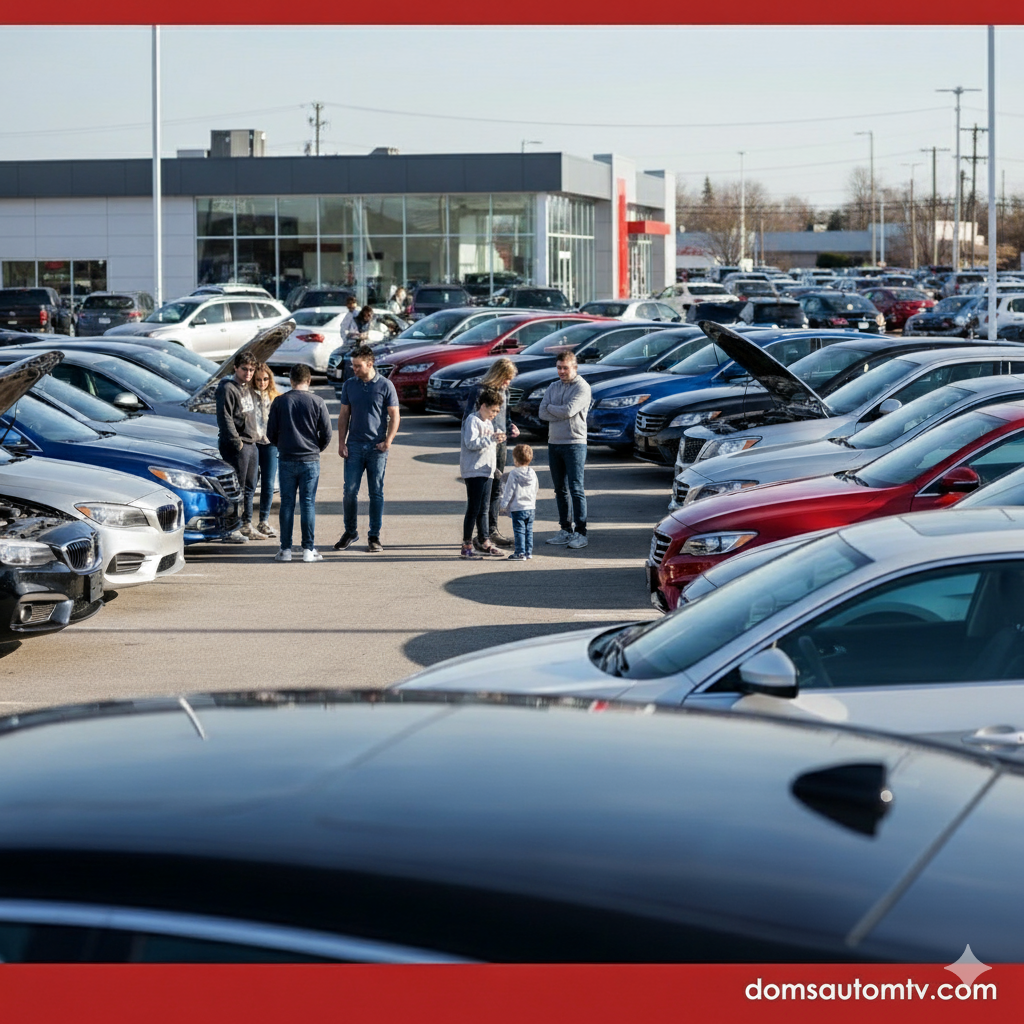
Questions to Ask Your Used Car Dealer Before Buying
When it comes to buying a used car, making an informed decision is crucial. Whether you’re a first-time buyer or a seasoned car owner, knowing the right questions to ask your used car dealer can save you time, money, and peace of mind. This blog post will guide you through important questions to ask when buying, ensuring you feel confident and knowledgeable as you navigate the used car market.
What is the Vehicle History Report?
One of the most important questions to ask when buying a used car is about the vehicle history report. This report provides crucial information about the car’s past, including previous owners, accident history, and any reported damage. Always ask the dealer to provide a CARFAX or AutoCheck report to verify the vehicle’s condition.
Understanding the vehicle history can help you gauge whether the car you’re interested in has been well-maintained or if it has hidden issues. Look for red flags such as a car that has been deemed a total loss or has had multiple previous owners. A clear history can give you peace of mind when making your purchase.
What is the Mileage on the Car?
Mileage is a significant factor in determining the car’s value and potential longevity. When buying a used vehicle, always inquire about the mileage on the odometer. A car with lower mileage may indicate less wear and tear, but it’s important to consider the overall condition and service history as well.
Ask the dealer about any routine maintenance performed, such as oil changes and brake repairs. This information can help you assess whether the car has been properly cared for and if it’s worth the price being asked. Remember, a well-maintained car can often be a better investment than one with low mileage but poor service records.
Can You Provide Service Records?
Another essential question to ask your used car dealer is whether they can provide service records. These documents can reveal how well the car has been maintained over its lifetime. Regular service records can indicate that the vehicle has had timely oil changes and necessary repairs, making it a reliable choice.
If the dealer cannot provide service records, consider this a warning sign. A lack of documentation may suggest that the car was neglected, which could lead to costly repairs down the road. Always ask for these important records before making a decision.
Is There a Warranty on the Car?
When buying a used car, it’s important to ask about the warranty. Many dealerships offer a limited warranty on used vehicles, which can provide peace of mind and protection against unexpected repairs. Additionally, inquire whether the car comes with a factory warranty or if an extended warranty is available for purchase.
Understanding the warranty terms can help you evaluate the overall cost of ownership. If the car comes with a warranty, find out what it covers and for how long. This can significantly impact your decision-making process and budget as you consider buying a used car.
What is the Price of the Car?
Before finalizing your purchase, it’s essential to discuss the price of the car. Don’t hesitate to ask the dealer about the asking price and whether there is room for negotiation. Research similar vehicles in the market to ensure you’re getting a good deal.
Consider the features and condition of the car when negotiating the price. Factors such as mileage, accident history, and overall service records can influence the final price. Being informed about the market value of the vehicle can give you leverage in negotiations.
Can I Take It for a Test Drive?
Always ask the dealer if you can take the car for a test drive. This is a crucial step in the buying process as it allows you to experience the vehicle firsthand. During the test drive, pay attention to how the car handles, any unusual noises, and the comfort of the ride.
Make sure to test various driving conditions, including highway speeds and stop-and-go traffic. This will help you determine whether the car meets your expectations and is a suitable choice for your needs.
What is the VIN, and Can I Verify It?
Before purchasing, always ask for the Vehicle Identification Number (VIN). This unique code can be used to verify the car’s history through various online databases. Checking the VIN can help you uncover any hidden issues, such as past accidents or recalls.
Make sure to cross-check the VIN with the vehicle history report and the information provided by the dealer. This verification process is a vital step in ensuring that you are buying a legitimate vehicle without any undisclosed problems.
What is the Car’s Service History?
In addition to general service records, ask the dealer for a detailed service history of the car. Knowing what repairs have been done and when can provide insight into the vehicle’s reliability. Look for evidence of routine maintenance, such as brake replacements and tire changes.
If the car has undergone significant repairs, inquire about the quality of parts used and the mechanic who performed the work. This information can help you gauge the car’s reliability and potential future maintenance needs.
Is This Vehicle a Certified Pre-Owned Car?
When shopping for used cars, it’s wise to ask whether the vehicle is a certified pre-owned (CPO) car. CPO vehicles undergo rigorous inspections and come with warranties, providing an extra layer of assurance for buyers.
Buying a certified pre-owned car can be a smart move, as it often means that the vehicle has been thoroughly checked for quality and reliability. Additionally, CPO cars typically come with benefits such as roadside assistance and extended warranties, which can enhance your overall ownership experience.
What Are the Financing Options Available?
Finally, don’t forget to ask about financing options when buying a used car. Inquire about interest rates, loan terms, and whether the dealership offers any special financing deals. Understanding your financing options can help you make an informed decision and avoid unexpected costs.
Ask the dealer about any promotions or partnerships with banks and credit unions that may result in better rates. Knowing your financial situation and what you can afford is crucial in ensuring that you make a sound investment.
- Always ask for the vehicle history report to avoid surprises.
- Check the mileage and service records for a better understanding of the car’s condition.
- Inquire about warranties to protect your purchase.
- Negotiate the price taking into account your research and the vehicle’s condition.
- Take a test drive to ensure the car meets your needs.
- Verify the VIN to confirm the vehicle’s legitimacy.
- Consider certified pre-owned options for added peace of mind.
- Explore financing options to find the best deal for your budget.
Common Mistakes People Make About Questions to Ask Your Used Car Dealer Before Buying
- Not asking for a vehicle history report, which includes essential information like previous owners, service history, and any accidents reported.
- Overlooking the importance of asking about the car’s warranty, including whether it comes with a factory warranty or if an extended warranty is available.
- Failing to inquire about the car’s mileage and maintenance records, which can provide insight into potential repair needs and overall wear and tear.
- Neglecting to request a test drive, which is crucial for assessing the vehicle’s performance and comfort.
- Not asking about the interest rate and loan options if financing the purchase through the dealership.
- Assuming the price of the car is non-negotiable; it’s always good to ask about room for negotiation.
- Forgetting to check for recalls on the vehicle through resources like the National Highway Traffic Safety Administration.
- Not asking the dealer about the VIN (vehicle identification number) to verify the car’s history via services like Carfax or AutoCheck.
- Ignoring the need to ask about the tires and brakes, which can be costly if they need to be replaced soon after purchase.
- Not considering whether to buy from a private seller versus a dealership, as this can impact warranty and service options.
Dom’s Auto LLC – Top Used Car Dealer in Mount Vernon, OH
Dom’s Auto LLC is a premier used car dealership in Mount Vernon, OH, known for its extensive inventory of high-quality used cars for sale. Our dealership specializes in providing customers with the best auto financing options, ensuring that buying a used car is both easy and affordable. Whether you’re looking for a reliable vehicle with a clean service history or a certified pre-owned car, we have the right options for you.
When shopping for a used vehicle, it’s important to ask the right questions to make an informed decision. At Dom’s Auto LLC, we encourage our customers to inquire about essential details such as the vehicle history report, service records, and previous owners. Additionally, always ask about the mileage, warranty options, and any extended warranties available. Our knowledgeable team is here to assist you with important questions to ask when buying a used car, helping you negotiate a lower price and ensuring peace of mind with your purchase.
Contact us today and visit our store to explore our large inventory of used cars. Whether you’re buying from a private seller or a dealer, we are committed to providing you with the best deals and offers. Let us help you find the car you’re looking for with confidence!